7 Types of Label Printing Machines for Modern Production
Label printing machines are specialized systems used to produce labels for packaging, product identification, logistics, retail, pharmaceuticals, industrial components, and many other applications.
Modern equipment can print text, graphics, barcodes, QR codes, variable data, and other information onto different label materials.
The right printing technology depends on factors such as label material, print volume, color requirements, resolution, production speed, and finishing needs. Understanding the major types of industrial label printing machines makes it easier to identify the technology suited to a particular production process.
Why Label Printing Machines Matter
Labels provide more than product identification. They can communicate essential information such as product details, batch numbers, barcodes, handling instructions, regulatory information, and traceability data.
Modern label printing systems can support:
- High-resolution graphics
- Variable data printing
- Barcode and QR code printing
- Multi-color labels
- Small-format labels
- Continuous production
- Automated material handling
- Inline finishing
For manufacturers and packaging operations, selecting appropriate equipment can help maintain consistent print quality and production efficiency.
1. Digital Label Printing Machines
Digital label printing machines use electronically processed artwork to print directly onto label stock. Unlike conventional plate-based methods, digital systems generally do not require physical printing plates for each design.
This makes digital printing particularly useful for applications involving multiple designs, variable information, or frequent artwork changes.
Key Features
- Direct digital workflow
- High-resolution printing
- Variable data capability
- Flexible design changes
- Multi-color printing
- Suitable for short and medium production runs
Digital systems can be used for product labels, promotional labels, specialty packaging, and customized applications.
2. Flexographic Label Printing Machines
Flexographic printing uses flexible relief plates to transfer ink onto the label material. The process can operate at high speeds and is widely used for continuous label production.
A typical flexographic system includes printing plates, anilox rolls, ink systems, impression cylinders, drying units, and material-handling components.
Key Features
- High-speed production
- Multi-color printing
- Wide substrate compatibility
- Continuous roll-to-roll operation
- Suitable for large production volumes
Flexographic label printing is commonly associated with packaging labels, pressure-sensitive labels, films, and paper-based materials.
3. Thermal Transfer Label Printing Machines
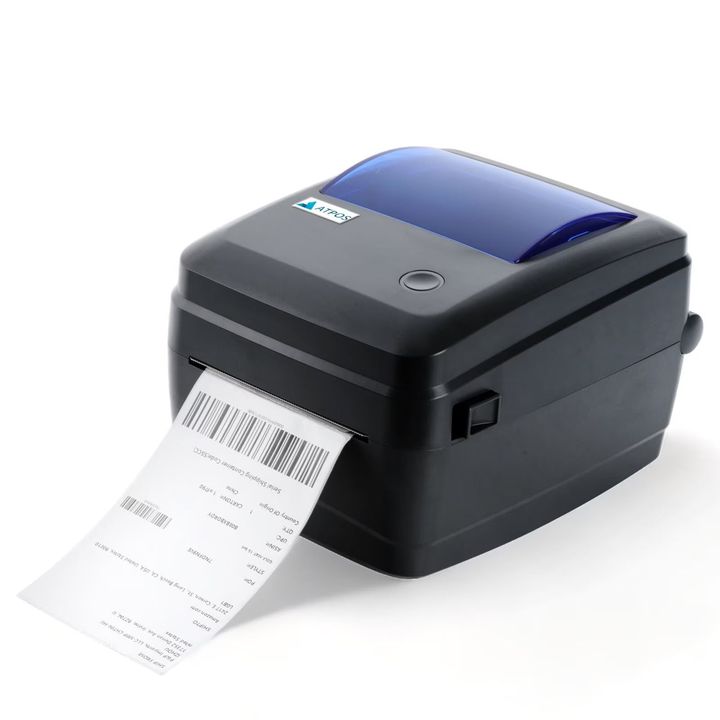
Thermal transfer systems use a heated printhead to transfer ink from a ribbon onto the label material.
The technology is commonly used when durable printed information is required, particularly for product identification, logistics, inventory, and industrial labeling.
Key Features
- Sharp text and codes
- Durable printed information
- Variable data capability
- Barcode printing
- Suitable for many synthetic label materials
Thermal transfer systems can be configured for different label widths and production environments.
4. Direct Thermal Label Printing Machines
Direct thermal printing creates an image by applying heat directly to heat-sensitive label material. Unlike thermal transfer systems, it does not require an ink ribbon.
The technology is often used for applications where labels have a relatively short intended lifespan.
Common Applications
- Shipping labels
- Logistics labels
- Temporary identification
- Retail labels
- Receipts and tickets
- Warehouse identification
Because the printed surface can be affected by heat, light, and environmental exposure, material selection is important.
5. Inkjet Label Printing Machines
Inkjet label printing machines use electronically controlled nozzles to deposit tiny ink droplets onto the label substrate.
The non-contact printing method allows inkjet systems to work with various label materials, depending on the ink and printer configuration.
Key Features
- Non-contact printing
- Variable data capability
- High-resolution output
- Flexible digital workflow
- Suitable for graphics and coding
Inkjet systems can be integrated into automated production lines and label-converting processes.
6. Screen Printing Label Machines
Screen printing uses a stencil and mesh screen to transfer ink onto the label material. The process can create relatively thick ink layers, which can provide strong visual effects and durable printed surfaces.
Screen printing may be combined with other printing technologies to create specialty labels.
Common Applications
- Decorative labels
- Industrial labels
- Specialty packaging
- High-opacity graphics
- Functional printed layers
The technology is useful when specific ink coverage or surface characteristics are required.
7. Rotogravure Label Printing Machines
Rotogravure printing uses engraved cylinders containing recessed cells that hold and transfer ink to the substrate.
The technology is associated with detailed image reproduction and consistent printing during extended production runs.
Key Features
- Detailed image reproduction
- Consistent ink transfer
- Multi-color printing
- High-speed production
- Suitable for selected flexible packaging and label applications
Rotogravure can be considered when production requirements justify the specialized cylinder preparation and press configuration.
Comparison of Label Printing Machines
| Printing Type | Best-Suited Applications | Major Characteristic |
|---|---|---|
| Digital | Variable and changing designs | Flexible digital workflow |
| Flexographic | High-volume label production | High-speed printing |
| Thermal Transfer | Durable identification | Ribbon-based transfer |
| Direct Thermal | Temporary labels | Heat-sensitive material |
| Inkjet | Variable graphics and data | Non-contact printing |
| Screen Printing | Specialty labels | Thick ink deposits |
| Rotogravure | Detailed long-run printing | Engraved cylinders |
No single printing technology is suitable for every label application. The choice depends on production requirements, material characteristics, print quality, and workflow configuration.
How Label Printing Machines Work
Although the technologies differ, most label printing processes follow several basic stages.
1. Label Material Preparation
The label stock is selected according to the application. Materials can include paper, synthetic films, coated materials, foils, and specialty substrates.
2. Artwork and Data Preparation
Digital artwork is prepared along with required information such as product names, barcodes, QR codes, serial numbers, dates, or batch information.
3. Material Feeding
The label material is fed through the machine using rollers, conveyors, or web-handling systems. Accurate tension and positioning help maintain print alignment.
4. Printing
The selected printing technology transfers ink, toner, thermal material, or another printing medium onto the substrate.
5. Drying or Curing
Depending on the printing process, the printed label may require air drying, heat drying, or UV curing before additional processing.
6. Finishing
Printed label rolls can undergo processes such as:
- Die cutting
- Slitting
- Laminating
- Rewinding
- Varnishing
- Foil application
- Inspection
These operations can convert the printed web into finished label rolls or sheets.
Factors to Consider When Selecting Label Printing Equipment
Selecting the appropriate label printing equipment requires consideration of the complete production workflow.
Label Material
Determine whether the labels will use paper, plastic film, foil, synthetic material, or another substrate.
Production Volume
High-volume applications may require continuous or automated printing systems, while lower-volume operations may benefit from flexible digital technologies.
Print Requirements
Consider color count, resolution, graphics, variable information, barcode quality, and required print durability.
Label Size
The required label dimensions and web width should match the equipment's operating range.
Finishing Requirements
If labels require cutting, laminating, coating, or special effects, the printing machine may need to integrate with downstream finishing equipment.
Automation
Automated systems can incorporate sensors, inspection cameras, material handling, data integration, and production monitoring.
Best Practices for Label Printing
Consistent label production depends on controlling materials, equipment, and process conditions.
Useful practices include:
- Select label stock compatible with the printing technology.
- Maintain accurate material tension.
- Keep printheads, rollers, and printing components clean.
- Verify color and print registration regularly.
- Check barcode and QR code readability.
- Monitor ink or ribbon conditions.
- Maintain appropriate drying or curing conditions.
- Inspect finished labels during production.
- Follow preventive maintenance schedules.
Frequently Asked Questions
What are label printing machines?
Label printing machines are specialized printing systems used to produce product, packaging, logistics, industrial, and identification labels. They can use technologies such as digital, flexographic, thermal, inkjet, screen, and rotogravure printing.
Which type of label printing machine is commonly used for variable data?
Digital and inkjet printing systems are particularly suitable for variable data because they can receive changing digital information during production.
What is the difference between thermal transfer and direct thermal printing?
Thermal transfer uses a heated printhead and ribbon to transfer material onto a label. Direct thermal printing creates an image directly on heat-sensitive label material without using a ribbon.
What materials can label printing machines print on?
Depending on the equipment and printing technology, label machines can process paper, plastic films, synthetic materials, foil, coated substrates, and other specialty materials.
How do I choose a label printing machine?
Consider label material, production volume, print quality, color requirements, variable data, label dimensions, durability requirements, finishing processes, and automation needs.
Conclusion
Label printing machines provide specialized solutions for producing identification, packaging, logistics, industrial, and decorative labels. Digital, flexographic, thermal, inkjet, screen, and rotogravure technologies each have different operating characteristics and applications.
The right equipment depends on the label material, production volume, desired print quality, variable data requirements, and finishing workflow. Evaluating these factors together can help manufacturers establish an efficient and consistent label production process.