How Fruit Processing Equipment Works: A Step-by-Step Guide
Fruit processing equipment consists of machines and systems used to clean, sort, prepare, process, preserve, and package fresh fruit for commercial production.
These systems can handle operations such as washing, grading, peeling, cutting, crushing, pulping, juicing, concentration, thermal processing, and packaging.
Modern fruit processing lines combine multiple machines into a coordinated production system. The exact configuration depends on the fruit variety, desired finished product, production volume, processing method, and required quality standards.
Why Fruit Processing Equipment Matters
Fresh fruit can vary considerably in size, shape, maturity, texture, and quality. Automated processing equipment helps manufacturers handle these variations while maintaining controlled production conditions.
Fruit processing systems can support:
- Consistent fruit washing
- Automated sorting and grading
- Controlled peeling and cutting
- Efficient pulp and juice extraction
- Product size uniformity
- Reduced manual handling
- Controlled thermal processing
- Automated packaging
- Production monitoring
Different fruits require different processing approaches. Soft berries, citrus fruits, stone fruits, and tropical fruits can have very different handling requirements.
How Fruit Processing Equipment Works
A typical fruit processing line consists of several stages. Not every production line includes every stage, but the following sequence represents a common processing workflow.
1. Fruit Receiving
Fresh fruit arrives at the processing facility and is transferred to receiving areas or initial handling equipment.
The fruit may be inspected before entering the main processing line. Damaged or unsuitable material can be separated at this stage.
2. Washing
Fruit passes through washing equipment to remove soil, dust, surface residues, and other contaminants.
Washing systems may use:
- Water sprays
- Rotating brushes
- Immersion tanks
- Air agitation
- Controlled cleaning solutions
The washing method depends on the fruit's surface characteristics and sensitivity to mechanical handling.
3. Sorting and Grading
After washing, fruit can be sorted according to size, color, shape, maturity, or visible defects.
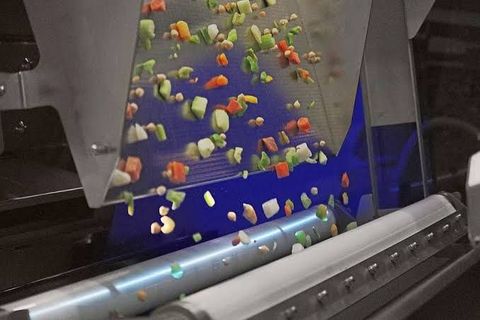
Optical sorting systems can use cameras and sensors to identify differences between individual fruits.
Mechanical grading systems may use rollers, screens, belts, or other size-based mechanisms.
4. Peeling
Some fruit products require removal of the outer skin before further processing.
Peeling can be performed mechanically, using knives, abrasive surfaces, or specialized peeling systems. Certain applications may also use thermal or chemical methods.
The selected technique depends on fruit structure, processing requirements, and the desired final product.
5. Cutting and Preparation
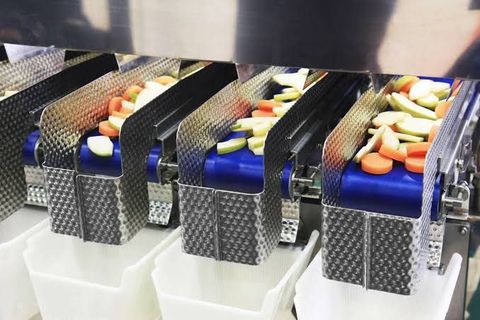
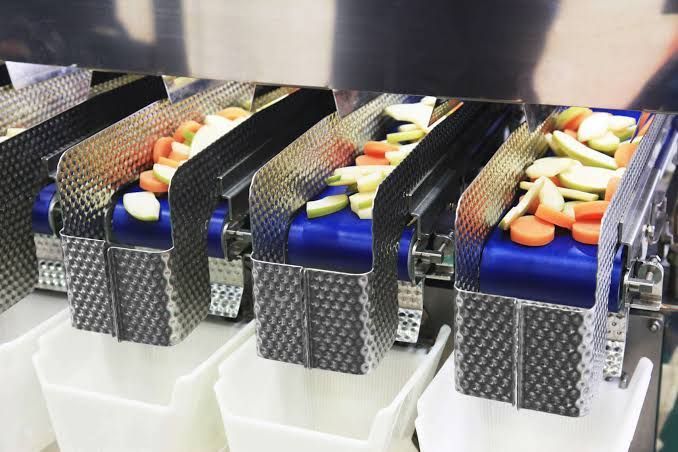
Fruit may be cut, sliced, diced, halved, cored, or otherwise prepared according to the final application.
Automated cutting equipment can provide more consistent dimensions than manual preparation.
Careful control is particularly important for delicate fruits that can bruise or lose shape during handling.
6. Crushing and Pulping
For products such as purees, sauces, concentrates, and some beverages, prepared fruit may be crushed and passed through pulping equipment.
Pulpers separate usable fruit material from seeds, skins, fibers, or other unwanted portions.
The equipment configuration depends on fruit structure and the characteristics of the desired pulp.
7. Juice Extraction
Juice-processing lines use specialized extraction equipment to separate liquid from fruit solids.
Citrus fruits, apples, grapes, berries, and other fruits may require different extraction technologies because of differences in structure and composition.
Extraction efficiency depends on fruit condition, equipment configuration, and operating parameters.
8. Filtration and Refining
Extracted juice or pulp may pass through filters, screens, separators, or refining equipment.
These stages can help control particle size and remove unwanted seeds, fibers, or other solid material.
The required level of filtration depends on the intended finished product.
9. Thermal Processing
Some fruit products undergo controlled thermal treatment to support preservation and product stability.
Depending on the formulation, process requirements may include pasteurization, hot filling, or other validated thermal processing methods.
Temperature and processing time must be established according to the specific product and packaging system.
10. Concentration
Some fruit products are concentrated by removing a portion of their water content.
Evaporators or other concentration systems can be used to increase the solids concentration of juices, purees, or fruit preparations.
The appropriate technology depends on the product's heat sensitivity and desired concentration.
11. Filling and Packaging
Processed fruit products are transferred into suitable packaging.
Depending on the product, packaging may include:
- Bottles
- Jars
- Cans
- Pouches
- Cups
- Cartons
Filling, sealing, coding, and labeling equipment can be integrated into the processing line.
12. Inspection and Storage
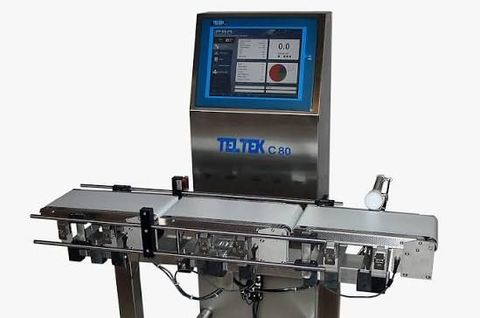
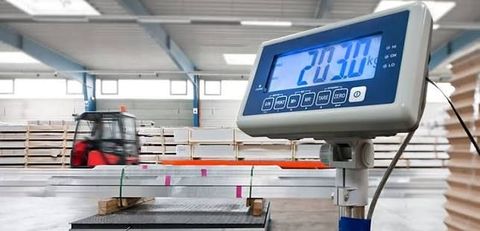
Finished packages can be inspected for fill level, closure condition, labeling, weight, or other defined characteristics.
After inspection, products are transferred to appropriate storage or distribution areas according to their processing and packaging requirements.
Main Types of Fruit Processing Equipment
Fruit Washing Machines
Washing equipment removes surface contaminants before further processing.
Systems may use spray, immersion, brushes, or combinations of these methods.
Fruit Sorting Equipment
Sorting systems classify fruit according to characteristics such as size, color, shape, maturity, or defects.
Optical sorting technology can provide automated classification at production scale.
Fruit Peeling Machines
Peeling machines remove skins from selected fruit varieties.
Different mechanisms are available depending on fruit shape, skin thickness, firmness, and processing requirements.
Fruit Cutting Machines
Cutting equipment can slice, dice, halve, core, or segment fruit.
Machine configuration should match the required product dimensions and the physical characteristics of the fruit.
Fruit Pulping Machines
Pulpers separate edible fruit pulp from seeds, skins, and other solid materials.
They are commonly used for puree, sauce, beverage, and other processed fruit applications.
Juice Extraction Equipment
Juice extractors separate juice from fruit solids.
The equipment is selected according to fruit type, extraction method, throughput, and desired juice characteristics.
Fruit Processing Equipment Comparison
| Equipment Type | Main Function | Typical Applications |
|---|---|---|
| Washing machine | Surface cleaning | Fresh fruit preparation |
| Sorting system | Classification | Size, color, defect sorting |
| Peeling machine | Skin removal | Processed fruit products |
| Cutting machine | Slicing and preparation | Diced or sliced fruit |
| Pulping machine | Pulp separation | Purees and sauces |
| Juice extractor | Juice separation | Fruit beverages |
| Thermal processor | Controlled heat treatment | Juices and prepared products |
| Filling machine | Product packaging | Bottles, cans, jars, pouches |
Factors to Consider When Selecting Equipment
Fruit Characteristics
Fruit variety, firmness, size, shape, maturity, moisture content, and sensitivity to mechanical damage all influence equipment selection.
Finished Product
The desired product determines the processing stages required.
For example, a fresh-cut product may require washing, sorting, cutting, and packaging, while a juice product may require extraction, filtration, thermal processing, filling, and packaging.
Production Capacity
Throughput requirements determine machine size, conveyor configuration, processing capacity, and automation level.
Product Handling
Delicate fruit requires careful handling to minimize bruising, crushing, and unnecessary product damage.
Hygiene Requirements
Food-processing equipment should support appropriate cleaning and sanitation procedures.
Product-contact surfaces, drainage, accessibility, and material selection are important considerations when designing a fruit processing line.
Applications of Fruit Processing Equipment
Fruit processing systems are used to produce a wide range of products.
| Product Category | Common Processing Stages |
|---|---|
| Fruit juice | Washing, sorting, extraction, filtration, thermal processing |
| Puree | Washing, peeling, pulping, refining |
| Jam and preserves | Preparation, pulping, cooking, filling |
| Canned fruit | Washing, peeling, cutting, filling, thermal processing |
| Dried fruit | Washing, sorting, preparation, drying |
| Frozen fruit | Washing, sorting, cutting, freezing |
| Fruit concentrates | Extraction, filtration, concentration |
| Fresh-cut fruit | Washing, sorting, cutting, packaging |
Automation and 2026 Technology
Modern fruit processing equipment increasingly combines sensors, programmable controls, optical inspection, automated conveyors, and digital monitoring.
Optical sorting systems can use cameras and advanced image-processing algorithms to classify fruit according to color, size, shape, and visible defects.
Automated processing lines can also connect washing, sorting, preparation, processing, filling, and packaging equipment through coordinated controls. Production data can help operators monitor throughput, equipment status, and process conditions.
Best Practices for Fruit Processing
Consistent fruit processing requires careful control of both raw material and equipment.
Important practices include:
- Inspect incoming fruit before processing.
- Maintain appropriate washing conditions.
- Keep sorting sensors and cameras clean.
- Adjust cutting equipment to fruit characteristics.
- Monitor pulp and juice extraction performance.
- Maintain hygienic product-contact surfaces.
- Control thermal processing parameters.
- Inspect packaging equipment regularly.
- Minimize excessive mechanical handling.
- Review equipment settings when changing fruit varieties.
Regular maintenance and sanitation are essential for maintaining reliable production and consistent product quality.
Frequently Asked Questions
What is fruit processing equipment?
Fruit processing equipment consists of machines used to wash, sort, peel, cut, pulp, extract, process, preserve, fill, and package fruit products.
What machines are used in fruit processing?
Common machines include fruit washers, sorting systems, peeling machines, cutters, pulpers, juice extractors, filtration systems, thermal processors, filling machines, and packaging equipment.
How does fruit sorting equipment work?
Fruit sorting equipment uses mechanical systems, cameras, sensors, or combinations of technologies to classify fruit according to size, color, shape, maturity, or visible defects.
What factors affect fruit processing equipment selection?
Fruit variety, size, firmness, maturity, desired finished product, production capacity, hygiene requirements, automation level, and handling sensitivity all influence equipment selection.
Can fruit processing equipment be fully automated?
Yes. Complete processing lines can integrate receiving, washing, sorting, preparation, processing, filling, packaging, inspection, and material handling through automated controls.
Conclusion
Fruit processing equipment combines specialized machines to transform fresh fruit into juices, purees, canned products, frozen products, dried fruit, fresh-cut products, and other processed foods. A complete line can include washing, sorting, peeling, cutting, pulping, extraction, filtration, thermal processing, filling, and packaging.
The appropriate equipment configuration depends on fruit characteristics, finished-product requirements, production capacity, hygiene considerations, and desired automation. Careful process design, sanitation, maintenance, and controlled handling help support consistent fruit processing operations.