Checkweighing Equipment: From Product to Verified Weight
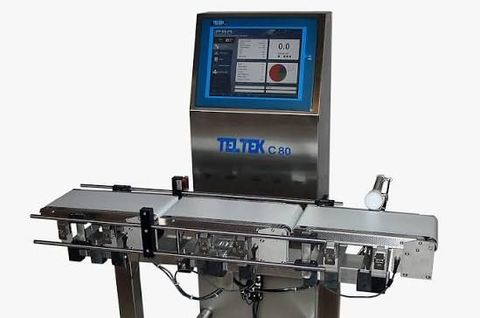
Checkweighing equipment is used to automatically measure the weight of individual products or packages as they move through a production or packaging line.
The system compares each measured weight with predefined target limits and can identify products that fall outside the acceptable range.
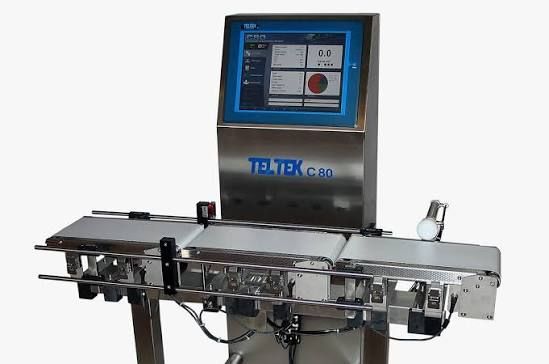
Modern checkweighing systems combine conveyors, weighing mechanisms, sensors, electronic controllers, and software. They are widely used in food processing, pharmaceuticals, cosmetics, chemicals, and other industries where consistent package weight and automated inspection are important.
Why Checkweighing Equipment Matters
Weight verification helps manufacturers identify variations during production without requiring every package to be manually weighed.
Automated checkweighing can support:
- Product weight verification
- Package quantity control
- Automated inspection
- Production monitoring
- Detection of underweight or overweight packages
- Process consistency
- Data collection
- Integration with packaging lines
The system can operate continuously, allowing products to be checked at production speeds appropriate for the equipment and application.
How Checkweighing Equipment Works
A typical checkweighing process involves several coordinated stages.
1. Product Detection
Products enter the checkweigher on a conveyor. A sensor detects when a product approaches the weighing section.
The control system uses this information to coordinate product movement and measurement.
2. Product Separation
Products may need to be separated at controlled intervals before weighing.
Adequate spacing helps prevent multiple products from entering the weighing area simultaneously, which could produce an inaccurate measurement.
3. Dynamic Weighing
The product passes across a weighing conveyor or weighing platform while in motion.
A load cell detects the force produced by the product's weight and generates an electrical signal.
4. Signal Processing
The electronic controller processes the load-cell signal and calculates the product weight.
Factors such as conveyor movement, product position, vibration, and system calibration can influence measurement performance.
5. Weight Comparison
The measured weight is compared with predefined target parameters.
A typical system may have:
- Target weight
- Lower tolerance limit
- Upper tolerance limit
Products within the specified range continue through the line, while products outside the defined limits can be identified.
6. Product Rejection or Diversion
When a product does not meet the programmed weight criteria, an automated mechanism can remove or divert it from the main production flow.
Depending on the line configuration, rejection may use air jets, pushers, drop mechanisms, or other suitable devices.
7. Data Recording
Modern systems can record individual or aggregated weight information.
Data may include production counts, weight distribution, rejected quantities, and process trends. These records can support production monitoring and process adjustments.
Main Types of Checkweighing Equipment
Inline Checkweighers
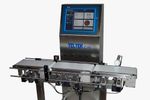
Inline checkweighers are installed directly within production or packaging lines.
Products move continuously through the system while being weighed and inspected.
They are commonly used where automated weight verification needs to occur without stopping the production flow.
High-Speed Checkweighers
High-speed systems are designed for applications where large numbers of products must be weighed within short production cycles.
Their configuration depends on product dimensions, conveyor speed, weight range, and required measurement accuracy.
Static Checkweighing Systems
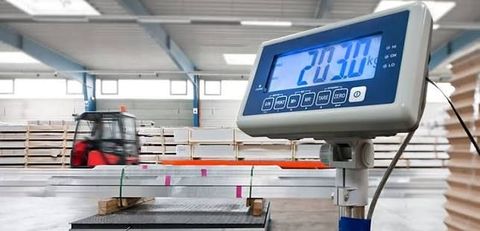
Static systems weigh products while they are stationary.
The product is positioned on a weighing platform, measured, and then moved to the next stage. This approach can be suitable when production speed is lower or when a stationary measurement is preferred.
Combination Checkweighing Systems
Some systems combine weight verification with additional inspection technologies.
Depending on the application, a line may integrate checkweighing with metal detection, X-ray inspection, vision inspection, labeling, or other quality-control equipment.
Checkweighing Equipment Comparison
| System Type | Operating Method | Typical Application |
|---|---|---|
| Inline checkweigher | Continuous dynamic weighing | Automated packaging lines |
| High-speed checkweigher | High-speed dynamic weighing | High-volume production |
| Static checkweigher | Stationary weighing | Lower-speed processes |
| Combination system | Weight plus other inspection | Integrated quality control |
Factors That Affect Checkweighing Accuracy
Several factors can influence the performance of checkweighing equipment.
Product Spacing
Products must maintain sufficient separation to allow the system to distinguish individual items.
Insufficient spacing can cause overlapping measurements.
Conveyor Speed
The weighing system must be synchronized with the conveyor. Changes in speed can affect the weighing cycle and measurement stability.
Vibration
Mechanical vibration from nearby machinery or conveyors can interfere with the weighing signal.
Suitable equipment installation and mechanical isolation can help minimize these effects.
Product Position
The position of a product on the weighing conveyor can influence the measurement, particularly if the weighing platform is small or the product is unstable.
Environmental Conditions
Temperature, moisture, dust, airflow, and other environmental factors can affect equipment performance depending on the application.
Applications of Checkweighing Equipment
Checkweighers are used across many industrial sectors.
| Industry | Typical Applications |
|---|---|
| Food processing | Packaged foods, snacks, beverages |
| Pharmaceuticals | Packaged medicines and products |
| Cosmetics | Bottles, jars, and packaged formulations |
| Chemicals | Containers and packaged chemical products |
| Consumer goods | Packaged manufactured products |
| Logistics | Shipment and package verification |
Checkweighing in Packaging Lines
Checkweighing equipment is often positioned after filling or packaging equipment.
A typical automated sequence can include:
Product Filling → Sealing → Checkweighing → Rejection → Labeling or Secondary Packaging
For example, a filling machine may place a predetermined quantity into each container. The checkweigher then verifies the finished package weight and identifies packages outside the programmed range.
This provides a feedback point between filling and downstream packaging operations.
Automation and 2026 Technology
Modern checkweighing systems can communicate with programmable logic controllers, production software, conveyors, filling machines, and other inspection equipment.
Digital interfaces can provide real-time production information, while automated controls can adjust or signal upstream equipment when weight trends change.
Advanced systems may also support recipe management, production reporting, statistical analysis, remote monitoring, and integration with broader manufacturing control systems.
The appropriate level of automation depends on production volume, product characteristics, inspection requirements, and existing equipment.
Best Practices for Checkweighing Equipment
Reliable weight verification requires proper installation, calibration, and routine monitoring.
Important practices include:
- Maintain consistent product spacing.
- Keep the weighing conveyor clean.
- Check load cells and cables regularly.
- Control vibration around the weighing area.
- Verify conveyor speed and synchronization.
- Perform calibration according to established procedures.
- Inspect rejection mechanisms regularly.
- Confirm target and tolerance settings before production.
- Monitor weight trends for unexpected changes.
- Keep records of calibration and inspection activities.
When changing products or package formats, checkweigher parameters should be reviewed before production begins.
Frequently Asked Questions
What is checkweighing equipment?
Checkweighing equipment is automated weighing machinery used to measure individual products or packages and compare their weight against predefined target limits.
How does a checkweigher work?
A product moves onto a weighing conveyor, sensors and load cells measure its weight, the controller compares the result with programmed limits, and the system can allow, reject, or divert the product.
What is the difference between weighing and checkweighing?
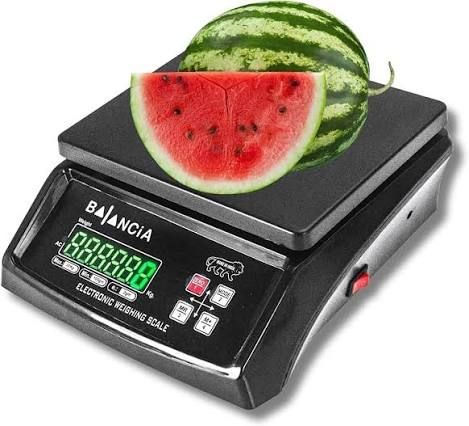
General weighing determines the weight of a material or product. Checkweighing specifically verifies whether an individual product meets a predefined weight target or tolerance range.
Where is checkweighing equipment used?
Checkweighers are commonly used in food, pharmaceutical, cosmetic, chemical, consumer goods, and packaging operations.
What factors affect checkweighing accuracy?
Product spacing, conveyor speed, vibration, product position, load-cell performance, calibration, and environmental conditions can all influence measurement accuracy.
Conclusion
Checkweighing equipment provides automated weight verification by combining product handling, dynamic weighing, electronic processing, and programmed inspection criteria. From inline and high-speed systems to static and integrated inspection configurations, different equipment types address different production requirements.
A reliable checkweighing process depends on proper product spacing, stable conveyor operation, suitable load cells, accurate calibration, and appropriate tolerance settings. When integrated correctly with filling and packaging equipment, checkweighers can provide continuous weight verification and useful production data.