How X Ray Inspection Systems Work: A Step-by-Step Guide
X ray inspection systems are non-destructive inspection technologies used to examine products, packages, components, and materials without opening or physically damaging them.
These systems use X rays to create images based on differences in material density and composition.
They are widely used in food processing, pharmaceuticals, electronics, automotive manufacturing, aerospace, packaging, and other industrial applications. Depending on the configuration, an X ray inspection system can identify foreign materials, missing components, structural defects, and packaging abnormalities.
Why X Ray Inspection Systems Matter
Traditional visual inspection can identify surface-level problems but may not reveal objects or defects hidden inside a product or package. X ray inspection provides a way to examine internal characteristics without dismantling the item.
Common inspection objectives include:
- Detecting dense foreign materials
- Identifying missing or damaged components
- Checking product completeness
- Inspecting package integrity
- Measuring internal features
- Detecting certain structural defects
- Verifying product placement
- Supporting automated quality inspection
The appropriate system depends on the material, product dimensions, inspection objective, production speed, and required image resolution.
How X Ray Inspection Systems Work
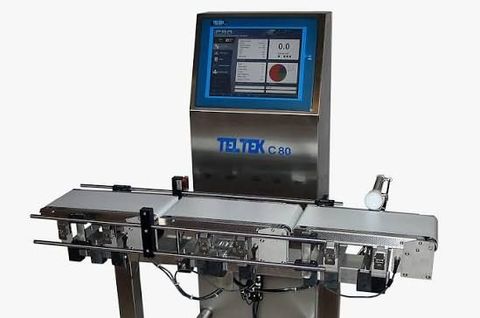
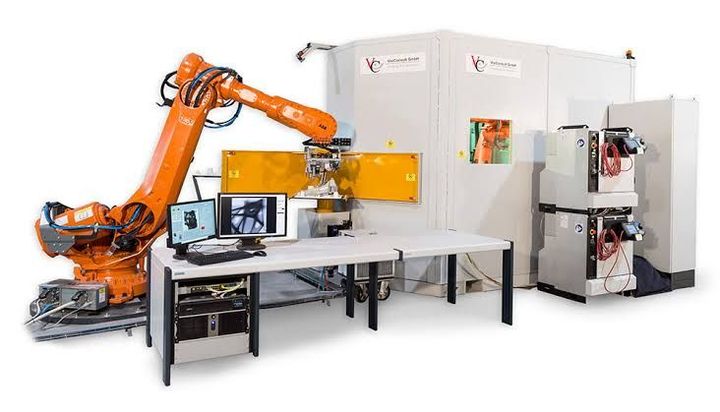
An industrial X ray inspection system typically combines an X ray source, detector, conveyor or handling mechanism, image-processing software, and control system.
1. Product Enters the Inspection Area
The product or component enters the X ray inspection system through a controlled opening or conveyor.
The system positions the item so that the X ray beam can pass through the area that needs to be inspected.
2. X Rays Are Generated
An X ray generator produces X rays inside the inspection unit.
The X rays are directed toward the product. Their intensity and energy are selected according to the application and material being inspected.
3. X Rays Pass Through the Product
As X rays travel through the product, different materials absorb different amounts of radiation.
Dense materials generally absorb more X rays than less dense materials. This difference creates variations in the signal received by the detector.
4. The Detector Captures the Image
A detector positioned on the opposite side of the product receives the X rays that pass through it.
The detector converts the received radiation into an electronic signal, which is processed to create an X ray image.
5. Image Processing Takes Place
The system's software analyzes the generated image.
Image-processing algorithms can identify differences in density, shape, position, size, and other characteristics relevant to the inspection application.
6. Inspection Criteria Are Applied
The system compares the image against predefined inspection parameters.
Depending on the application, these parameters may evaluate:
- Foreign material
- Product shape
- Missing components
- Product position
- Fill level
- Package condition
- Component dimensions
- Structural characteristics
7. Defects or Foreign Materials Are Identified
If the system detects a condition outside the programmed criteria, it generates an inspection result.
Modern systems can distinguish between acceptable product variation and conditions requiring further investigation.
8. Product Is Accepted or Rejected
In automated production environments, an inspection result can trigger a downstream action.
Depending on the line configuration, this may involve:
- Automatic rejection
- Conveyor diversion
- Production-line stopping
- Alarm activation
- Operator notification
9. Inspection Data Is Recorded
Many modern X ray inspection systems can record inspection images and production information.
Data may include inspection results, rejected products, system status, image records, and production statistics. This information can support quality monitoring and process analysis.
Main Types of X Ray Inspection Systems
Food X Ray Inspection Systems
Food inspection systems are designed to inspect packaged or unpackaged food products.
They can identify certain dense foreign materials and help verify product characteristics such as missing or broken components, product placement, and fill conditions.
Applications include:
- Meat and poultry
- Bakery products
- Dairy products
- Packaged meals
- Canned foods
- Snacks
- Confectionery
Pharmaceutical X Ray Inspection Systems
Pharmaceutical applications may involve inspection of packaged medicines and other products.
X ray inspection can help identify foreign materials, missing items, packaging abnormalities, or product-placement issues where the density contrast is sufficient for detection.
Packaging X Ray Inspection Systems
Packaging systems inspect products and containers for internal and external conditions that can be identified through X ray imaging.
Applications may include fill-level verification, missing-product detection, package-component inspection, and certain seal-related abnormalities.
Industrial Component Inspection Systems
Industrial X ray systems can inspect components without cutting or dismantling them.
They are used in areas such as electronics, automotive components, aerospace manufacturing, casting inspection, and other precision manufacturing processes.
X Ray Inspection System Comparison
| System Type | Typical Application | Main Inspection Purpose |
|---|---|---|
| Food X ray system | Packaged foods | Foreign material and product inspection |
| Pharmaceutical system | Medicines and packages | Product and packaging inspection |
| Packaging system | Containers and packages | Fill and component verification |
| Industrial system | Manufactured components | Internal structural inspection |
What Can X Ray Inspection Systems Detect?
X ray inspection performance depends on material density, product geometry, system configuration, and image-processing capabilities.
Depending on the application, systems may detect:
- Certain metal contaminants
- Glass fragments
- Dense mineral materials
- Stones
- Bone fragments
- Missing components
- Broken components
- Product voids
- Fill-level variations
- Certain structural abnormalities
X ray inspection is not universally suitable for every contaminant or defect. Detection capability must be evaluated for the specific product and inspection requirement.
Factors That Affect X Ray Inspection Performance
Material Density
The contrast between the inspected material and the target object affects how clearly a feature appears in the X ray image.
Product Size and Shape
Large or complex products may require different imaging configurations than small, uniform packages.
Packaging Material
Packaging can influence the overall image and may require suitable system settings.
Conveyor Speed
High-speed production requires imaging and processing technology capable of producing reliable inspection results within the available inspection window.
Image Resolution
Detector resolution and system configuration influence the level of detail that can be observed.
Applications of X Ray Inspection Systems
| Industry | Common Applications |
|---|---|
| Food processing | Foreign material and product inspection |
| Pharmaceuticals | Product and package inspection |
| Electronics | Component and assembly inspection |
| Automotive | Casting and component inspection |
| Aerospace | Structural and component inspection |
| Packaging | Fill and package verification |
| Manufacturing | Internal defect inspection |
X Ray Inspection vs. Metal Detection
Metal detection and X ray inspection use different physical principles.
Metal detectors use electromagnetic fields to identify metallic objects, while X ray systems create images based on differences in X ray attenuation.
X ray inspection can detect certain dense non-metallic materials in addition to metals, while metal detection is specifically designed for metallic contamination. The appropriate technology depends on the inspection objective and product characteristics.
Automation and 2026 Technology
Modern X ray inspection systems increasingly combine digital detectors, automated image processing, programmable controls, and production-line connectivity.
Advanced systems may use machine-learning-based image analysis to assist with defect classification and reduce unnecessary rejection under suitable operating conditions.
Systems can also communicate inspection results to production-control platforms, record images, and provide trend information for process monitoring.
The level of automation should be matched to production speed, inspection requirements, product variation, and the operating environment.
Best Practices for X Ray Inspection Systems
Reliable inspection requires suitable equipment configuration, testing, maintenance, and operating procedures.
Important practices include:
- Validate the system using appropriate test materials.
- Maintain consistent product presentation.
- Keep the inspection area clean.
- Monitor conveyor speed and product spacing.
- Check image quality regularly.
- Verify automatic rejection mechanisms.
- Maintain appropriate system settings.
- Review rejected-product trends.
- Follow applicable radiation-safety procedures.
- Keep inspection and maintenance records.
Regular verification helps confirm that the system continues to perform according to its intended inspection requirements.
Frequently Asked Questions
What are X ray inspection systems?
X ray inspection systems are non-destructive inspection machines that use X rays and digital detectors to create images of products, packages, or components for automated or manual analysis.
How does an X ray inspection system work?
The system generates X rays, passes them through the inspected product, captures the transmitted radiation with a detector, and processes the resulting image to identify specified materials, defects, or product conditions.
What can X ray inspection systems detect?
Depending on the product and system configuration, X ray inspection can detect certain metals, glass, stones, mineral materials, bone fragments, missing components, fill-level variations, and structural abnormalities.
Are X ray inspection systems suitable for food production?
Yes. X ray inspection systems are widely used in food production for applications such as foreign material detection, product completeness checks, fill-level verification, and package inspection.
What is the difference between X ray inspection and metal detection?
Metal detection uses electromagnetic sensing to identify metal, while X ray inspection creates images based on differences in X ray attenuation. X ray systems can detect certain dense non-metallic materials that metal detectors cannot identify.
Conclusion
X ray inspection systems provide non-destructive examination of products, packages, and industrial components by converting differences in X ray absorption into digital images. The system can then analyze these images to identify specified foreign materials, defects, missing components, and other inspection conditions.
A successful X ray inspection application requires appropriate system selection, product presentation, detector configuration, image processing, testing, and maintenance. When integrated with automated rejection and production controls, X ray inspection can provide continuous internal inspection without physically opening or damaging the product.