How Automatic Weighing Machines Work: A Step-by-Step Guide
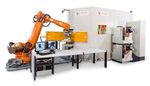
Automatic weighing machines are industrial systems designed to measure the weight of products, materials, ingredients, or packages with limited manual intervention.
They combine weighing sensors, mechanical handling components, electronic controls, and software to measure quantities and communicate weight information during production or packaging.
These systems are used in food processing, pharmaceuticals, chemicals, agriculture, manufacturing, logistics, and packaging. Depending on the application, an automatic weighing machine may perform static weighing, continuous weighing, portioning, batching, or dynamic checkweighing.
Why Automatic Weighing Machines Matter
Manual weighing can become difficult to maintain when production volumes increase or when frequent measurements are required. Automatic systems can coordinate product movement and measurement while maintaining defined weighing parameters.
Common applications include:
- Product portioning
- Ingredient batching
- Package weight verification
- Bulk material measurement
- Production monitoring
- Automated dosing
- Conveyor-based weighing
- Inventory and material control
The appropriate system depends on the product characteristics, target weight, production speed, accuracy requirements, and operating environment.
How Automatic Weighing Machines Work
Although designs vary, most automatic weighing machines follow a sequence of controlled operations.
1. Product Feeding
The product first enters the machine through a hopper, conveyor, feeder, chute, or other material-handling mechanism.
The feeding system controls the flow of material toward the weighing area. Consistent feeding is important because sudden changes in product flow can affect weighing performance.
2. Product Positioning
The product or package is positioned on a weighing platform, hopper, conveyor section, or weighing vessel.
Sensors can detect the presence and position of the material or container. In dynamic systems, the weighing mechanism operates while the product continues moving.
3. Load Detection
The applied load is transferred to one or more load cells.
Load cells detect mechanical force and convert it into an electrical signal. This signal represents the load applied to the weighing structure.
4. Signal Processing
The load-cell signal is transmitted to an electronic weighing indicator, transmitter, controller, or integrated processor.
The system processes the signal and applies appropriate measurement parameters to calculate the corresponding weight.
5. Weight Calculation
The controller determines the measured weight and compares it with the programmed target or acceptable range.
For example, a batching system may continue feeding material until a target quantity is reached, while a checkweigher may compare each package against predefined limits.
6. Automated Control Action
Once the target condition is reached, the machine can initiate a programmed action.
Depending on the application, the system may:
- Stop product feeding
- Switch from coarse to fine feeding
- Release a weighed batch
- Divert a package
- Trigger an alarm
- Record the measurement
- Send data to a production control system
7. Data Recording and Communication
Modern automatic weighing machines can transmit measurements to programmable controllers, manufacturing software, databases, or other connected systems.
Recorded data can support production monitoring, traceability, process analysis, and quality verification.
Main Types of Automatic Weighing Machines
Different production processes require different weighing configurations.
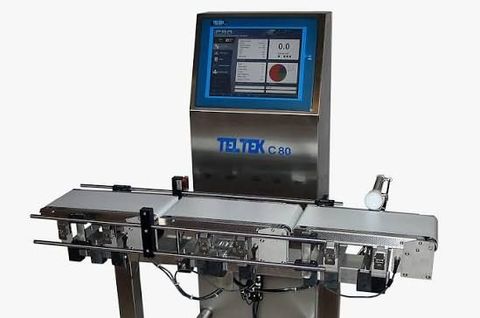
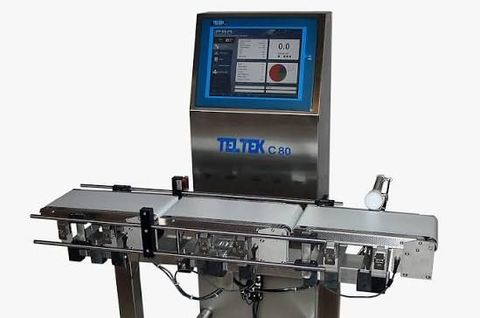
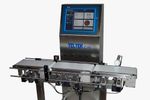
Automatic Checkweighers
Checkweighers measure individual products as they move through a conveyor system.
They are commonly used to verify packaged food, pharmaceutical products, consumer goods, and other manufactured products.
Products outside the defined weight range can be identified by an automated reject mechanism or flagged for inspection.
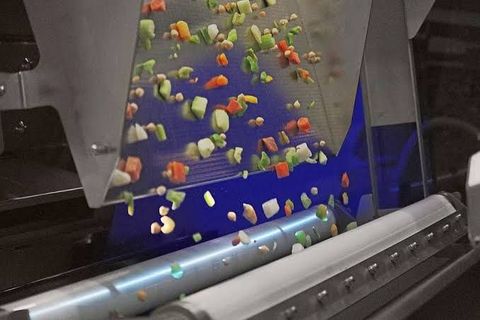
Multihead Weighers
Multihead weighing systems use multiple weighing heads to create combinations that approach a target weight.
They are frequently used for products such as:
- Snacks
- Nuts
- Confectionery
- Frozen foods
- Vegetables
- Granular products
The system combines measurements from multiple hoppers to achieve the programmed target.
Automatic Hopper Weighing Systems
Hopper systems measure materials held in a weighing vessel.
They are commonly used in batching, blending, dosing, and bulk material handling applications.
Material can be accumulated until the target weight is reached and then discharged into the next stage.
Automatic Belt Weighers
Belt weighing systems measure bulk materials while they travel along a conveyor.
A weighing section measures the load on the belt while sensors determine belt movement. The control system can calculate the material flow rate and accumulated quantity.
Automatic Bagging Weighers
These systems measure a target quantity of bulk material before transferring it into bags or other containers.
Applications can include grains, seeds, powders, aggregates, animal feed, and other bulk products.
Automatic Weighing Machine Comparison
| Machine Type | Typical Application | Weighing Method |
|---|---|---|
| Checkweigher | Packaged products | Dynamic weighing |
| Multihead weigher | Portioning | Combination weighing |
| Hopper weigher | Batching | Static weighing |
| Belt weigher | Bulk materials | Continuous weighing |
| Bagging weigher | Bulk packaging | Target-weight filling |
Factors Affecting Weighing Accuracy
Automatic weighing performance depends on several mechanical, environmental, and operational factors.
Load Cell Capacity
Load cells should be selected according to the expected load range and weighing structure. Incorrect capacity selection can affect measurement performance.
Product Flow
Uneven feeding can create variations in the weighing process. Consistent product flow helps the system reach target measurements predictably.
Vibration
Nearby machinery, conveyors, motors, and other equipment can introduce vibration into the weighing structure.
Proper installation and mechanical isolation can help reduce unwanted effects.
Temperature
Temperature changes can influence electronic and mechanical components. Industrial weighing equipment may therefore use compensation methods or environmental protection appropriate to the application.
Mechanical Installation
Friction, structural contact, misalignment, and improper mounting can affect measurement accuracy.
The weighing structure should be installed according to the equipment requirements.
Applications of Automatic Weighing Machines
Automatic weighing equipment is used across numerous industries.
| Industry | Common Applications |
|---|---|
| Food processing | Portioning, batching, checkweighing |
| Pharmaceuticals | Product and formulation measurement |
| Chemicals | Batch and material measurement |
| Agriculture | Grain, seed, and feed weighing |
| Packaging | Package weight verification |
| Manufacturing | Component and material weighing |
| Mining | Bulk material measurement |
| Logistics | Shipment and load measurement |
Automation and 2026 Technology
Modern automatic weighing machines increasingly integrate digital controls, sensors, programmable logic controllers, and industrial communication systems.
Connected systems can provide real-time weight information and allow measurement data to be transferred to production monitoring platforms.
Advanced equipment may also support recipe management, automated parameter changes, remote diagnostics, and production data collection. The appropriate level of automation depends on the production environment and process requirements.
Best Practices for Automatic Weighing
Consistent measurement requires appropriate equipment setup and regular monitoring.
Important practices include:
- Keep weighing structures clean.
- Check load cells and cables periodically.
- Prevent unwanted mechanical contact.
- Verify zero readings during routine checks.
- Maintain consistent product flow.
- Control vibration around weighing equipment.
- Follow established calibration procedures.
- Avoid exceeding rated load capacity.
- Inspect feeders, hoppers, conveyors, and moving components.
- Record important weighing and maintenance information.
When product or container formats change, weighing parameters should be reviewed before normal production resumes.
Frequently Asked Questions
What are automatic weighing machines?
Automatic weighing machines are systems that measure the weight of products, materials, or packages with automated product handling and electronic measurement.
How does an automatic weighing machine work?
The product is fed into a weighing area, load cells detect the applied force, electronic controls process the signal, and the system calculates the weight and performs a programmed action.
What are automatic weighing machines used for?
They are used for batching, portioning, package verification, bulk material measurement, automated dosing, production monitoring, and continuous weighing.
What is an automatic checkweigher?
An automatic checkweigher is a dynamic weighing system that measures individual products moving through a production line and identifies products outside predefined weight limits.
How do I choose an automatic weighing machine?
Consider the product type, target weight, load range, production speed, weighing accuracy, static or dynamic operation, environmental conditions, container format, and required automation level.
Conclusion
Automatic weighing machines combine load cells, feeding mechanisms, electronic controls, and automation technology to measure products and materials with limited manual intervention. Checkweighers, multihead weighers, hopper systems, belt weighers, and bagging weighers address different industrial requirements.
Selecting the appropriate machine requires consideration of product flow, target weight, load range, weighing speed, accuracy, environmental conditions, and production-line integration. Proper installation, calibration, maintenance, and process monitoring are equally important for maintaining reliable weighing performance.