Food Sorting Equipment: Complete 2026 Guide
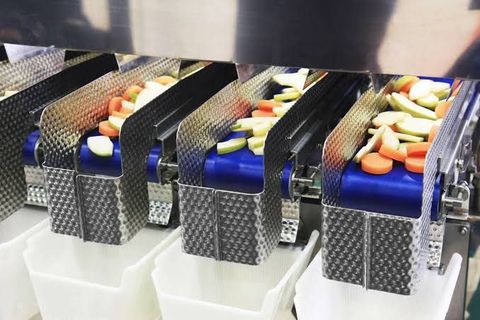
Food sorting equipment is used to inspect, classify, grade, and separate food products according to characteristics such as color, size, shape, weight, surface condition, and visible defects.
These systems range from mechanical sorting equipment to advanced optical sorting machines that use cameras, sensors, and automated controls.
Food processors use sorting technology to improve product consistency, remove unwanted material, and organize products into defined quality categories. The right system depends on the type of food, product condition, throughput, sorting criteria, and required level of automation.
Why Food Sorting Equipment Matters
Food products can naturally vary in size, color, shape, maturity, and quality. Raw materials can also contain foreign materials, damaged pieces, or products that do not meet specified quality criteria.
Automated sorting equipment can help processors manage these variations more consistently.
Common objectives include:
- Removing defective products
- Separating foreign material
- Classifying products by size
- Sorting by color
- Grading products by quality
- Separating products by weight
- Improving product uniformity
- Reducing manual inspection
- Supporting continuous processing
Sorting is often positioned early in a processing line, although additional sorting or inspection stages may be used later depending on the product.
How Food Sorting Equipment Works
Different sorting technologies use different sensing and separation methods, but an automated sorting process generally follows several stages.
1. Product Feeding
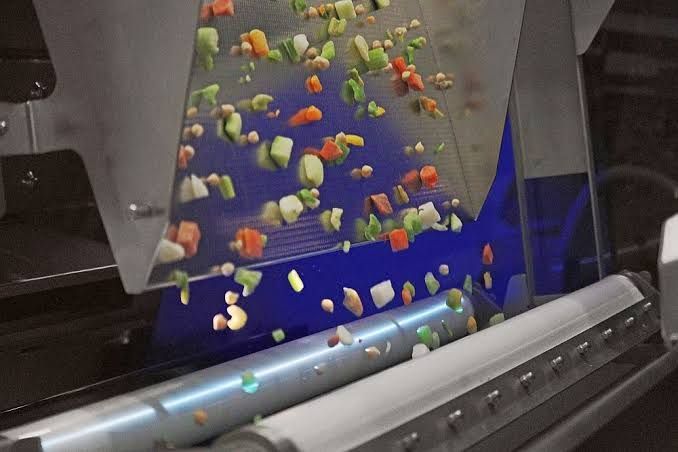
Raw or partially processed food enters the sorting system through a hopper, conveyor, chute, vibratory feeder, or another feeding mechanism.
The feeding system attempts to distribute products consistently so that sensors and cameras can inspect individual items.
2. Product Presentation
Products are positioned within the inspection area.
Consistent spacing and orientation can improve the ability of cameras or sensors to identify differences between acceptable and unacceptable products.
Some systems use belts, rollers, vibrating surfaces, or air-assisted movement to create suitable product presentation.
3. Image or Sensor Capture
The system examines the product using one or more sensing technologies.
Depending on the application, these may include:
- RGB cameras
- Near-infrared sensors
- Laser sensors
- Hyperspectral imaging
- Weight sensors
- Shape-detection systems
The selected technology depends on the characteristic that needs to be identified.
4. Product Classification
The system analyzes the collected information and assigns products to predefined categories.
Classification may be based on:
- Color
- Size
- Shape
- Surface defects
- Maturity
- Foreign material
- Weight
- Texture or spectral characteristics
Modern systems can use image-processing algorithms and machine-learning models for more complex classification tasks.
5. Separation
Once a product is classified, the system directs it toward the appropriate output.
Common separation mechanisms include:
- Air jets
- Mechanical gates
- Diverters
- Flaps
- Separate conveyor paths
The separation method depends on product size, weight, speed, and the required production rate.
6. Sorted Product Collection
Accepted products and rejected or separately classified products are directed to designated collection points.
Multiple output channels can be used when products need to be divided into several quality or size categories.
7. Data Monitoring
Advanced food sorting equipment can record information about product throughput, sorting results, rejection rates, and system performance.
Production data can help processors monitor trends and identify changes in incoming raw materials.
Types of Food Sorting Equipment
Optical Sorting Machines
Optical sorters use cameras and sensors to inspect products based on visible or spectral characteristics.
They can identify differences in color, shape, size, and surface appearance.
Applications include:
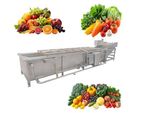
- Fruits and vegetables
- Grains
- Nuts
- Seeds
- Legumes
- Processed food products
Color Sorting Machines
Color sorters classify products according to color differences.
They are commonly used for products where color is an important quality indicator, such as grains, beans, nuts, dried foods, and selected processed products.
Size and Shape Sorting Equipment
Mechanical or optical systems can separate food products according to dimensions or shape.
Rotary screens, perforated belts, rollers, and camera-based systems can be configured for different products.
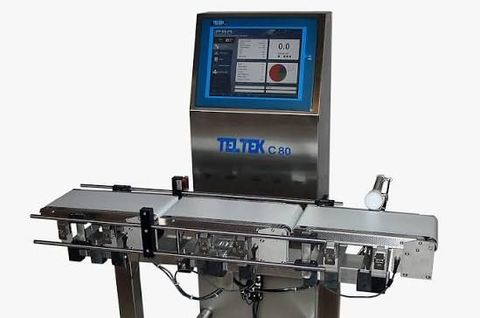
Weight Sorting Systems
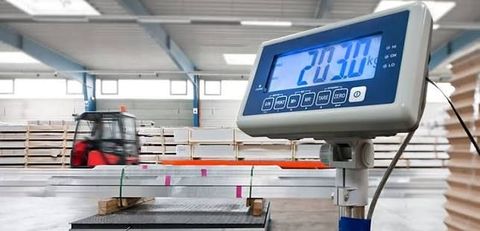
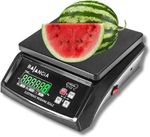
Weight-based sorting systems measure individual products and direct them into different weight categories.
They can be used for fruits, vegetables, packaged foods, and other products where weight classification is important.
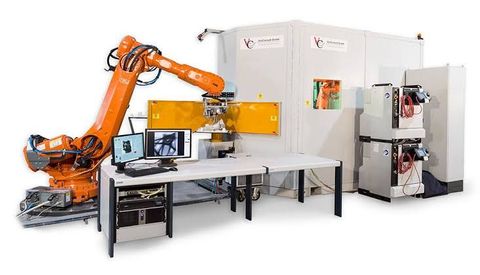
Hyperspectral Sorting Systems
Hyperspectral systems capture information across multiple wavelengths rather than relying only on standard visible images.
This can provide additional information about material characteristics that may not be apparent from ordinary color imaging.
The technology is used for specialized inspection and sorting applications where conventional optical systems may not provide enough information.
Food Sorting Equipment Comparison
| Equipment Type | Main Sorting Basis | Typical Applications |
|---|---|---|
| Optical sorter | Color, shape, appearance | Fruits, vegetables, grains |
| Color sorter | Color variation | Rice, beans, nuts |
| Size sorter | Dimensions | Fruits, vegetables, grains |
| Shape sorter | Product geometry | Produce and processed foods |
| Weight sorter | Product mass | Produce and packaged foods |
| Hyperspectral sorter | Spectral characteristics | Specialized food inspection |
Applications of Food Sorting Equipment
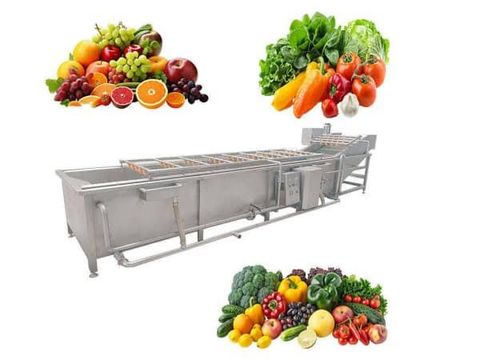
Food sorting systems are used across many processing categories.
| Food Category | Common Sorting Applications |
|---|---|
| Grains | Color, size, foreign material separation |
| Fruits | Size, color, defects, maturity |
| Vegetables | Size, shape, defects |
| Nuts | Shell defects, color, size |
| Legumes | Color, size, damaged pieces |
| Frozen foods | Product classification and separation |
| Seafood | Size, appearance, product classification |
| Processed foods | Defect and product separation |
Factors to Consider When Selecting Food Sorting Equipment
Selecting sorting equipment requires evaluating both the food product and the production process.
Product Characteristics
Consider:
- Size
- Shape
- Color
- Surface condition
- Moisture
- Fragility
- Flow characteristics
- Natural variation
Products with irregular shapes may require different handling and inspection methods from uniform products.
Sorting Criteria
Define exactly what the system needs to identify.
A color sorter may be appropriate when color variation is the primary criterion, while an advanced optical or spectral system may be more appropriate for complex internal or material differences.
Production Capacity
Throughput requirements determine conveyor width, sensor configuration, feeding arrangement, and separation speed.
High-volume operations generally require equipment capable of inspecting and separating products continuously.
Product Presentation
Sorting accuracy depends partly on how products are presented to the sensors.
Controlled spacing, stable movement, and suitable product orientation can improve detection and separation.
Cleaning and Hygiene
Food processing environments require equipment designed for appropriate sanitation procedures.
Materials, surfaces, access points, and electrical protection should be compatible with the operating environment and cleaning requirements.
Automation and 2026 Technology
Modern food sorting equipment increasingly combines high-resolution cameras, advanced sensors, digital controls, and automated classification software.
Artificial intelligence and machine-learning techniques can be used in some sorting systems to recognize complex visual patterns and distinguish acceptable products from specific defect categories.
Multi-sensor systems can also combine visible imaging with other sensing technologies to improve classification for suitable applications.
Connected equipment may provide production statistics, rejection trends, equipment status, and other operational information through industrial control systems.
Best Practices for Food Sorting
Reliable sorting depends on consistent product presentation and properly configured inspection parameters.
Important practices include:
- Maintain stable product feeding.
- Keep cameras and sensors clean.
- Control product spacing.
- Regularly verify sorting accuracy.
- Monitor rejection rates.
- Inspect air jets and separation mechanisms.
- Keep conveyors and contact surfaces clean.
- Review sorting settings when changing products.
- Monitor incoming raw-material variation.
- Maintain records of system checks and adjustments.
Regular monitoring can help identify changes in raw material quality or equipment performance.
Frequently Asked Questions
What is food sorting equipment?
Food sorting equipment is machinery used to inspect, classify, grade, and separate food products according to characteristics such as color, size, shape, weight, appearance, or other measurable properties.
What types of food sorting equipment are available?
Common types include optical sorters, color sorters, size and shape sorting machines, weight-based systems, mechanical separators, and specialized hyperspectral sorting equipment.
How does optical food sorting work?
Optical sorting systems use cameras and sensors to capture product characteristics. Software analyzes the collected information and activates a separation mechanism when a product matches a programmed rejection or classification criterion.
Can food sorting equipment use artificial intelligence?
Some modern sorting systems use machine-learning and AI-based image analysis to identify complex visual patterns and classify products according to programmed quality characteristics.
How do I choose food sorting equipment?
Consider the food product, sorting criteria, product size and shape, throughput, desired accuracy, feeding method, sanitation requirements, environmental conditions, and integration with the existing processing line.
Conclusion
Food sorting equipment combines mechanical handling, sensors, cameras, weighing technology, and automated controls to classify and separate food products. Systems can sort according to color, size, shape, weight, surface appearance, or specialized spectral characteristics.
The right technology depends on the product and the specific sorting objective. Proper product presentation, sensor configuration, separation technology, cleaning, calibration, and ongoing monitoring are essential for maintaining consistent sorting performance in modern food processing operations.