How Metal Detection Systems Work: A Step-by-Step Guide
Metal detection systems are inspection technologies designed to identify unwanted metallic contaminants or metal objects within products, materials, or production environments.
They are widely used in food processing, pharmaceuticals, packaging, plastics, textiles, mining, recycling, and manufacturing.
These systems typically use an electromagnetic field, sensing coils, electronic signal processing, and an automated response mechanism. Depending on the application, a metal detector can inspect products moving on conveyors, materials falling through a gravity line, or products flowing through pipelines.
Why Metal Detection Systems Matter
Metal contamination can enter a production process through raw materials, machinery wear, damaged tools, fasteners, or other sources. Automated detection provides a way to identify metallic material before the affected product continues to the next processing stage.
Metal detection systems can support:
- Automated product inspection
- Detection of ferrous metals
- Detection of non-ferrous metals
- Stainless steel detection
- Inline production monitoring
- Automatic product rejection
- Process control
- Contamination investigation
- Production data recording
The appropriate detector depends on the product, packaging, production speed, installation environment, and required detection sensitivity.
How Metal Detection Systems Work
Although equipment designs vary, most industrial metal detectors follow a sequence of electromagnetic sensing and electronic signal analysis.
1. Product Enters the Detection Area
The product moves through the detector's aperture, pipeline, chute, or other designated inspection area.
In a conveyor system, the product passes through an opening surrounded by the detector assembly. The opening size must accommodate the product while maintaining suitable detection performance.
2. Electromagnetic Field Is Generated
A transmitter coil generates an electromagnetic field inside the detection zone.
When no metal is present, the system maintains a relatively stable electrical response. The detector continuously monitors this field for changes.
3. Metal Passes Through the Field
When a metallic object enters the detection area, it interacts with the electromagnetic field.
Different metals produce different electrical responses. Ferrous metals, non-ferrous metals, and stainless steels can affect the detection signal in different ways.
4. Receiver Coils Detect the Signal Change
Receiver coils monitor changes in the electromagnetic field caused by the metal object.
The resulting electrical signal can vary according to factors such as:
- Metal type
- Metal size
- Product characteristics
- Detector frequency
- Product speed
- Detector configuration
5. Electronic Signal Processing
The detector's electronics analyze the received signal and distinguish potential metal signals from normal background effects.
Modern systems use digital signal processing and configurable detection parameters to improve sensitivity while reducing unnecessary alarms.
6. Product Signal Is Compensated
Some products naturally produce an electrical response that can interfere with metal detection. This is commonly referred to as product effect.
Products containing moisture, salt, or other electrically conductive characteristics can create a signal that resembles contamination.
Modern metal detection systems can use phase-based signal analysis, product compensation, and other processing techniques to separate product characteristics from potential metal signals.
7. Metal Contamination Is Identified
If the detected signal exceeds the programmed detection threshold, the system identifies a potential metal contaminant.
The threshold depends on the equipment configuration, product characteristics, aperture size, and required sensitivity.
8. Automatic Rejection or Alarm
Once a metal signal is confirmed, the system can trigger an automated response.
Depending on the production line, this may include:
- Air blast rejection
- Push-arm rejection
- Drop-flap rejection
- Conveyor stop
- Diverter mechanism
- Audible or visual alarm
The rejection method should be matched to product characteristics and production speed.
9. Detection Data Is Recorded
Modern metal detection systems can record information such as detection events, rejected products, test results, production counts, and equipment status.
Connected systems may transfer this information to production monitoring or quality-management platforms.
Main Types of Metal Detection Systems
Conveyor Metal Detection Systems
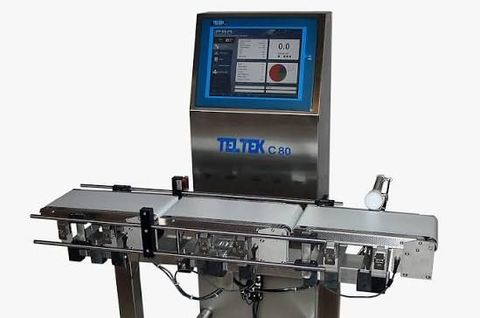
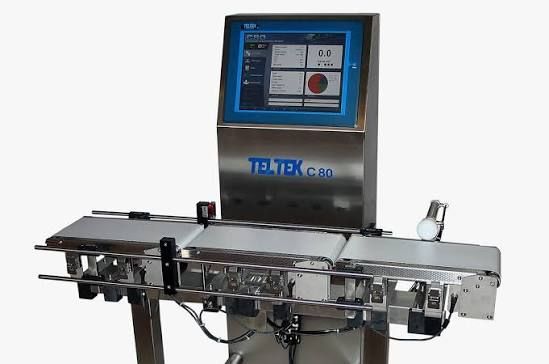
Conveyor metal detectors inspect packaged or unpackaged products as they travel along a production line.
They are commonly used for:
- Packaged foods
- Bakery products
- Meat and poultry products
- Snacks
- Pharmaceutical products
- Consumer goods
An automatic rejection mechanism can remove contaminated products from the production flow.
Gravity-Fall Metal Detection Systems
Gravity systems inspect free-flowing products that move vertically through a detection aperture.
They are often used for powders, granules, seeds, and other dry materials.
The detector can be positioned above an automated rejection valve or diverter.
Pipeline Metal Detection Systems
Pipeline detectors inspect liquid, semi-liquid, or pumpable products as they move through enclosed pipes.
Applications can include sauces, dairy products, beverages, meat emulsions, and other pumpable materials.
The detector must be compatible with the product, pressure conditions, pipe configuration, and required hygienic standards.
Pharmaceutical Metal Detection Systems
Pharmaceutical applications can require specialized equipment designed for small products and controlled production environments.
Tablets, capsules, and other pharmaceutical products may be inspected after compression, filling, or packaging.
Metal Detection System Comparison
| System Type | Typical Products | Inspection Method |
|---|---|---|
| Conveyor detector | Packaged and unpackaged products | Inline electromagnetic detection |
| Gravity detector | Powders and granules | Vertical free-fall detection |
| Pipeline detector | Liquids and pumpable products | Detection inside pipeline |
| Pharmaceutical detector | Tablets and capsules | Controlled inline inspection |
Factors That Affect Detection Performance
Metal Type
Different metals produce different electromagnetic responses. Ferrous metals are generally easier to detect than some non-ferrous metals or certain grades of stainless steel.
Metal Size
Detection capability depends partly on the size and shape of the contaminant. Smaller particles can be more difficult to detect than larger objects.
Product Characteristics
Moisture, salt content, temperature, conductivity, and product composition can influence the detector's signal.
This product effect is particularly important when inspecting wet or conductive food products.
Aperture Size
The size of the detection aperture can influence sensitivity. A properly sized aperture can help the system achieve appropriate detection performance for the application.
Product Speed
The speed at which products pass through the detection zone must remain within the equipment's operating parameters.
Environmental Conditions
Vibration, electrical interference, temperature changes, moisture, and nearby equipment can influence detector performance.
Applications of Metal Detection Systems
Metal detectors are used across numerous industries.
| Industry | Typical Applications |
|---|---|
| Food processing | Packaged foods, meat, bakery products |
| Pharmaceuticals | Tablets, capsules, packaged products |
| Beverage processing | Liquid and packaged products |
| Plastics | Pellets and molded products |
| Textiles | Production material inspection |
| Recycling | Material sorting and contamination detection |
| Mining | Material and ore processing |
| Packaging | Finished package inspection |
Metal Detection vs. Other Inspection Technologies
Metal detection is specifically designed to identify metallic materials. Other inspection technologies may be required when a production process needs to identify glass, stone, bone, dense plastics, or other non-metallic materials.
For some applications, metal detection may be combined with technologies such as X-ray inspection or vision inspection.
The appropriate inspection technology depends on the type of contaminant, product characteristics, packaging material, and required inspection objectives.
Best Practices for Metal Detection Systems
Consistent detection performance requires appropriate installation, setup, testing, and maintenance.
Important practices include:
- Select the detector according to product characteristics.
- Use an appropriate aperture size.
- Maintain stable product flow.
- Keep the inspection area clean.
- Minimize vibration and electrical interference.
- Test the detector according to established procedures.
- Verify rejection mechanisms regularly.
- Monitor detection events and rejected products.
- Review detector settings when changing products.
- Maintain appropriate records of inspections and verification activities.
Routine performance verification helps confirm that the detector and rejection mechanism continue to operate as intended.
Frequently Asked Questions
What are metal detection systems?
Metal detection systems are inspection machines that use electromagnetic sensing technology to identify metallic objects or contaminants within products or production processes.
How does a metal detector detect metal?
A transmitter generates an electromagnetic field, and receiver coils monitor changes in that field. When metal passes through the detection zone, it produces a signal that the system analyzes to determine whether it exceeds the programmed detection threshold.
What types of metal can industrial metal detectors detect?
Depending on the detector and application, systems can detect ferrous metals, non-ferrous metals, and various stainless steels. Detection performance varies according to metal type, size, product characteristics, and system configuration.
What affects metal detection sensitivity?
Metal type and size, product conductivity, aperture dimensions, product speed, detector frequency, environmental conditions, and equipment configuration can all affect detection performance.
Where are metal detection systems used?
They are widely used in food processing, pharmaceuticals, packaging, plastics, textiles, mining, recycling, and other manufacturing applications where metallic contamination or material inspection is required.
Conclusion
Metal detection systems use electromagnetic fields, sensing coils, and electronic signal processing to identify metallic objects within products or production flows. Depending on the application, conveyor, gravity-feed, pipeline, and pharmaceutical configurations can provide automated inspection.
Reliable performance depends on appropriate equipment selection, aperture sizing, product handling, detector settings, environmental conditions, and regular verification. When integrated with an automatic rejection mechanism, a metal detection system can provide continuous inspection without requiring every product to be manually checked.