Aseptic Packaging Systems: From Sterilization to Sealed Pack
Aseptic packaging systems are designed to fill and seal commercially sterile products into sterilized packaging under controlled conditions.
They are widely used for food, beverages, pharmaceuticals, and other products where maintaining product and package integrity is important.
Unlike conventional packaging, an aseptic packaging system coordinates product sterilization or commercial sterility, packaging sterilization, controlled filling, and hermetic sealing. The exact process depends on the product, package material, sterilization method, and regulatory requirements.
Why Aseptic Packaging Systems Matter
Aseptic packaging is designed to reduce the risk of microorganisms entering a product after the product and packaging have undergone appropriate sterilization processes.
The technology can support extended shelf stability for certain products without relying solely on refrigeration, depending on the formulation, processing method, packaging material, and validated process.
Important considerations include:
- Product characteristics
- Sterilization method
- Packaging material
- Package format
- Filling temperature
- Sealing method
- Cleanroom or controlled environment requirements
- Production volume
- Process monitoring
- Regulatory requirements
How Aseptic Packaging Systems Work
Aseptic packaging involves several coordinated stages. The precise sequence can vary considerably between food, beverage, pharmaceutical, and other applications.
1. Product Preparation
The product is first prepared according to its formulation and processing requirements.
For food and beverage applications, this may involve filtration, homogenization, heat treatment, or other processing steps. Pharmaceutical applications can require different validated sterilization or sterile-processing approaches.
The objective is to establish the required level of microbial control before aseptic filling.
2. Product Sterilization
The product undergoes a validated treatment designed to achieve commercial sterility or the applicable sterile condition.
For certain liquid foods, ultra-high-temperature processing can be used for rapid thermal treatment. Other products may require different approaches depending on their composition and sensitivity.
Temperature, time, flow rate, and other critical parameters are carefully controlled.
3. Packaging Material Preparation
The packaging material must also undergo an appropriate sterilization or decontamination process.
Packaging can include:
- Cartons
- Plastic bottles
- Glass containers
- Pouches
- Cups
- Bags
- Closures
The selected treatment depends on the material and package design.
4. Package Sterilization
Packaging surfaces that will contact the product are treated to achieve the required microbial condition.
Methods can include hydrogen peroxide-based treatments, heat, radiation, or other validated technologies depending on the packaging format.
The method must be compatible with the packaging material and production process.
5. Controlled Filling
After the required sterilization stages, the product is introduced into the prepared package within a controlled aseptic environment.
Filling equipment precisely controls the volume and flow of product.
The filling zone is designed to minimize the possibility of contamination entering the package during this critical stage.
6. Sealing
The package is immediately sealed after filling.
Different packaging formats use different sealing technologies, including heat sealing, ultrasonic sealing, cap application, or other methods.
The seal must provide the required package integrity throughout handling and storage.
7. Inspection and Monitoring
Aseptic packaging systems use sensors, controls, and inspection equipment to monitor critical production conditions.
Typical monitoring can include:
- Temperature
- Pressure
- Flow rate
- Sterilant concentration
- Filling volume
- Seal conditions
- Package integrity
- Environmental conditions
Automated controls help maintain consistent process parameters and can identify deviations requiring investigation.
Types of Aseptic Packaging Systems
Aseptic Carton Packaging Systems
Carton-based aseptic systems are widely used for liquid foods and beverages.
The packaging material can be sterilized, formed into a container, filled with the treated product, and sealed within a controlled environment.
Aseptic Bottle Filling Systems
Aseptic bottle systems combine container sterilization, product filling, and closure application.
They are used for selected beverages, dairy products, nutritional products, and other liquid applications.
Aseptic Pouch Packaging Systems
Pouch systems use flexible packaging materials that are sterilized before controlled filling and sealing.
They can be configured for different product volumes and package shapes.
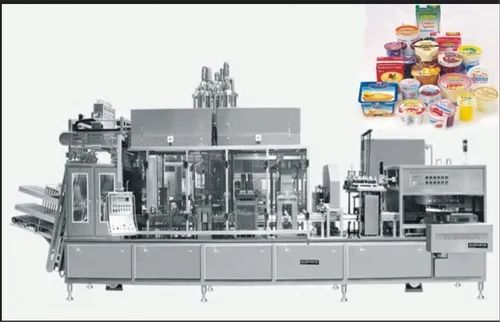
Aseptic Cup Filling Systems
Cup-based systems form or feed individual cups, sterilize the relevant packaging surfaces, fill the product, and seal the cups with compatible lidding material.
They are used for selected dairy, food, and beverage products.
Pharmaceutical Aseptic Filling Systems
Pharmaceutical systems are designed for sterile products and operate under highly controlled conditions.
They can include sterile filling machines, isolators or restricted-access systems, sterilization equipment, environmental monitoring, and automated inspection.
Comparison of Aseptic Packaging Systems
| System Type | Packaging Format | Typical Applications |
|---|---|---|
| Carton system | Paperboard-based carton | Dairy and beverages |
| Bottle system | Plastic or glass bottle | Beverages and liquid products |
| Pouch system | Flexible pouch | Food and liquid products |
| Cup system | Plastic or composite cup | Dairy and prepared foods |
| Pharmaceutical system | Vials, syringes, or containers | Sterile pharmaceutical products |
Main Components of Aseptic Packaging Systems
A complete system can contain multiple interconnected components.
| Component | Function |
|---|---|
| Product processing system | Prepares or treats the product |
| Sterilization unit | Treats product or packaging |
| Filling system | Introduces product into package |
| Sealing system | Closes the package |
| Clean-air system | Maintains controlled filling conditions |
| Sensors | Monitor process parameters |
| Control system | Coordinates operations |
| Inspection system | Checks package quality |
| CIP/SIP systems | Support equipment hygiene and sterilization where applicable |
Factors for Selecting Aseptic Packaging Systems
Product Characteristics
Product viscosity, acidity, particulate content, heat sensitivity, and formulation can influence the appropriate aseptic processing technology.
Packaging Format
The choice between cartons, bottles, pouches, cups, or pharmaceutical containers affects sterilization, filling, sealing, and inspection requirements.
Sterilization Method
The sterilization method must be appropriate for both the product and packaging materials. Thermal, chemical, radiation-based, and other methods have different operating characteristics.
Filling Environment
Aseptic filling requires controlled environmental conditions. Equipment may incorporate clean-air systems, controlled zones, isolators, or other contamination-control technologies.
Process Monitoring
Critical parameters should be continuously monitored according to the validated process. Automated controls can support consistent operation and traceability.
Applications of Aseptic Packaging Systems
Aseptic packaging systems are used across several industries.
Common applications include:
- Dairy products
- Plant-based beverages
- Fruit and vegetable products
- Liquid foods
- Nutritional products
- Beverages
- Pharmaceutical products
- Sterile medical products
Frequently Asked Questions
What are aseptic packaging systems?
Aseptic packaging systems are integrated equipment systems designed to combine sterile or commercially sterile product processing with sterilized packaging, controlled filling, and sealing.
How does aseptic packaging work?
The product and packaging undergo appropriate validated sterilization processes before the product is filled into the package under controlled conditions. The package is then sealed to maintain its required integrity.
What is the difference between aseptic and conventional packaging?
Aseptic packaging coordinates product sterilization, packaging sterilization, controlled filling, and sealing. Conventional packaging may not require the same level of coordinated sterilization and environmental control.
What products use aseptic packaging?
Aseptic systems can be used for selected dairy products, beverages, liquid foods, nutritional products, pharmaceutical products, and other products requiring controlled microbial conditions.
What sterilization methods are used in aseptic packaging?
Depending on the product and packaging format, systems can use thermal processing, hydrogen peroxide-based treatments, radiation, filtration, or other validated sterilization approaches.
Conclusion
Aseptic packaging systems integrate product processing, packaging sterilization, controlled filling, sealing, and process monitoring to produce packages under carefully controlled conditions. The technology is used across food, beverage, pharmaceutical, and other industries where microbial control and package integrity are important.
The appropriate system depends on product characteristics, packaging format, sterilization method, filling environment, production requirements, and validated process parameters. Understanding the journey from sterilization to the final sealed package provides a practical foundation for evaluating aseptic packaging technologies.