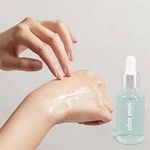
Vitamin C Serums: Manufacturers, Formulation, and Sourcing Guide
Vitamin C serums are widely used in skincare routines because they contain an antioxidant ingredient that helps protect the skin from environmental stressors.
Interest in these products has also created opportunities for vitamin C serum manufacturers, private label vitamin C serum manufacturers, and skincare businesses seeking products for different consumer preferences.
A vitamin C serum is generally a lightweight topical formulation designed for facial application. Its characteristics depend on the form of vitamin C, concentration, supporting ingredients, packaging, and formulation stability. Businesses exploring this category often evaluate manufacturing capabilities, product quality, and packaging options before selecting a supplier.
Why Vitamin C Serums Are Important in Skincare
Vitamin C plays a role in collagen formation and antioxidant protection. When included in a suitable skincare formulation, it may help improve the appearance of uneven skin tone and dullness. Results vary according to the formulation, individual skin characteristics, and consistency of use.
Common Formulation Benefits
Vitamin C serums are developed for several skincare purposes, including:
Antioxidant support: Helps protect skin components from oxidative stress caused by environmental factors.
Brighter-looking skin: Some formulations may help improve the appearance of uneven tone.
Skin texture: Regular use of an appropriate formulation may support a smoother-looking complexion.
Routine compatibility: Serums can be incorporated into skincare routines alongside suitable moisturizers and sunscreen.
These benefits depend on the formulation and should not be interpreted as guaranteed results. Vitamin C serums are cosmetic products, not substitutes for medical treatment.
How Vitamin C Serum Manufacturers Develop Products
Vitamin C serum manufacturers work with ingredient selection, formulation development, production processes, quality checks, and packaging. Their capabilities can vary depending on production scale, regulatory requirements, and the types of skincare products they manufacture.
Key Formulation Considerations
Manufacturers consider several factors when developing a serum:
Vitamin C type: L-ascorbic acid is one commonly used form, while derivatives such as sodium ascorbyl phosphate may be selected for different formulation characteristics.
Concentration: The appropriate level depends on the ingredient, intended application, formulation stability, and product testing.
Supporting ingredients: Moisturizing ingredients and other compatible components can influence the product's texture and overall characteristics.
Stability: Exposure to light, oxygen, heat, and unsuitable pH conditions can affect certain vitamin C formulations.
Custom vitamin C serum formulation may be useful for businesses developing products for particular skin care preferences. Testing helps assess stability, compatibility, and product quality before commercial distribution.
Private Label and Wholesale Sourcing Options
Businesses entering the skincare market can explore several production and sourcing models. The right option depends on product development requirements, order quantities, branding plans, and available resources.
Comparing Manufacturing Models
Manufacturing model | Main characteristics | Suitable for |
|---|---|---|
Private label | Existing formulations supplied under a business's brand | Businesses seeking a defined product range |
Contract manufacturing | Production arranged according to agreed specifications | Brands requiring coordinated production |
Custom formulation | Development of a formulation based on a product brief | Businesses with specific product requirements |
Wholesale supply | Purchasing finished products or bulk quantities | Distributors and established retailers |
Private label vitamin C serum manufacturers may provide ready-developed formulations, packaging choices, and labeling support. A vitamin C serum private label supplier may also offer different product sizes and packaging formats, depending on its capabilities.
Vitamin C serum wholesale suppliers and vitamin C serum bulk manufacturers are relevant to businesses planning larger orders. Organic vitamin C serum manufacturers may offer products formulated with selected ingredients marketed as organic, although the term requires careful evaluation of ingredient sourcing and applicable certification standards.
Choosing the Best Vitamin C Serum for Face
The best vitamin C serum for face depends on individual preferences, skin tolerance, formulation characteristics, and intended use. A product that suits one person may not be appropriate for everyone.
Factors to Evaluate
Before selecting a serum, consider the following:
Ingredient transparency: Review the ingredient list and product information.
Packaging: Opaque, airtight packaging may help protect sensitive formulations from environmental exposure.
Skin compatibility: People with sensitive skin may prefer a carefully formulated product and a gradual introduction into their routine.
Product instructions: Follow the manufacturer's directions and discontinue use if irritation develops.
Supporting evidence: Look for reliable product information rather than unsupported promises about results.
Professional vitamin C serum for skincare clinics may require additional attention to product documentation, packaging consistency, ingredient information, and intended-use instructions. Clinic-related products should be selected according to applicable regulations and the needs of the intended users.
Quality Control and Manufacturing Standards
Quality control is an important part of cosmetic production. Manufacturers may assess raw materials, production batches, product appearance, packaging integrity, and formulation stability.
Businesses evaluating suppliers should ask about documented quality procedures, ingredient traceability, testing arrangements, manufacturing standards, and applicable regulatory compliance. Requirements vary by market, so documentation should match the country where the product will be distributed.
For private label and contract manufacturing arrangements, responsibilities for labeling, product claims, testing, and regulatory submissions should be clearly established before production begins.
Frequently Asked Questions
What do vitamin C serum manufacturers produce?
They develop or manufacture facial serums containing vitamin C and supporting ingredients. Capabilities may include formulation, filling, packaging, testing, and labeling.
How do private label vitamin C serum manufacturers work?
They supply existing formulations that businesses can market under their own brands, subject to agreed packaging, labeling, and regulatory requirements.
What should businesses look for in vitamin C serum wholesale suppliers?
Businesses should evaluate ingredient documentation, product consistency, minimum order quantities, packaging options, testing information, and delivery arrangements.
Can manufacturers create a custom vitamin C serum formulation?
Yes. Some manufacturers offer custom development based on requested ingredients, texture, packaging, and product specifications. Development and testing requirements vary.
Are organic vitamin C serums different from other formulations?
They may use ingredients sourced under specific organic standards. The actual formulation, certification status, and applicable labeling requirements should be verified.
Conclusion
Vitamin C serums represent an established category within facial skincare, with manufacturing options ranging from private label products to customized formulations and wholesale supply. Understanding ingredient selection, formulation stability, quality control, and supplier documentation helps consumers make informed choices and enables businesses to evaluate potential manufacturing partners. Product suitability and cosmetic claims should always be assessed carefully.