Breast Cancer Care: A Guide to Treatment and Support
A breast cancer diagnosis can bring many questions about treatment, recovery, emotional wellbeing, and everyday care.
Understanding breast cancer care can help patients and families prepare for discussions with healthcare professionals and make informed decisions throughout treatment.
Care is not limited to treating the cancer itself. It can also include symptom management, emotional support, rehabilitation, follow-up appointments, and practical help during recovery. The appropriate approach varies according to the cancer type, stage, biomarkers, overall health, and individual circumstances.
Why Breast Cancer Care Matters
Breast cancer care involves a coordinated approach that may include several healthcare professionals. Depending on the situation, a care team can include medical oncologists, surgeons, radiation oncologists, nurses, pathologists, radiologists, pharmacists, rehabilitation professionals, and mental health specialists.
Treatment decisions generally depend on factors such as:
- Type of breast cancer
- Cancer stage
- Tumor size and location
- Lymph-node involvement
- Hormone receptor status
- HER2 status
- Overall health
- Previous treatments
- Personal preferences and treatment goals
Because these factors differ between patients, there is no single treatment plan appropriate for everyone.
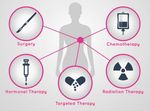
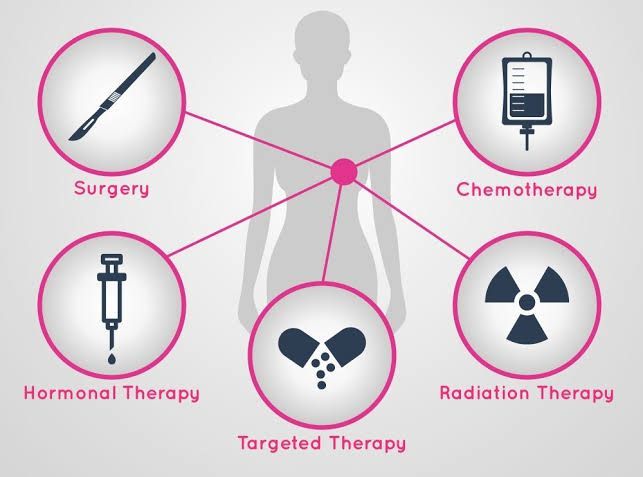
Breast Cancer Treatment Options and Care
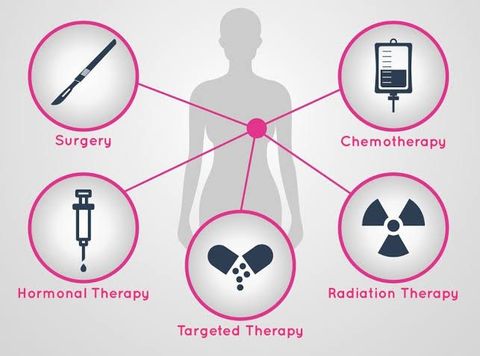
Treatment can involve one approach or a combination of therapies. The healthcare team determines the appropriate sequence based on the individual's diagnosis.
Surgery
Surgery may be used to remove cancerous tissue from the breast and, when appropriate, examine or remove affected lymph nodes.
Common approaches include breast-conserving surgery and mastectomy. Recovery can vary depending on the procedure, and some patients may receive additional treatment afterward.
Radiation Therapy
Radiation therapy uses high-energy radiation to target cancer cells. It may be recommended after certain types of breast surgery to reduce the likelihood of cancer returning in the treated area.
The treatment schedule and radiation technique depend on the patient's diagnosis and treatment plan.
Chemotherapy
Chemotherapy uses medicines that target rapidly dividing cells. It may be given before surgery to shrink a tumor, after surgery to reduce recurrence risk, or in other situations depending on the characteristics of the cancer.
Patients may receive several cycles over a defined period. Side effects vary according to the medicines used.
Hormone Therapy
Some breast cancers use hormones such as estrogen or progesterone to grow. For hormone receptor-positive cancers, hormone therapy may be an important component of long-term treatment.
The specific medicine and duration depend on factors including menopausal status, cancer characteristics, and previous treatments.
Targeted Therapy
Targeted treatments are designed to act on particular biological characteristics of cancer cells. For example, HER2-positive breast cancer may be treated with medicines directed at the HER2 pathway.
Testing the tumor for relevant biomarkers helps clinicians determine whether certain targeted treatments may be appropriate.
Immunotherapy
Immunotherapy helps the immune system recognize and respond to cancer cells. It is appropriate for selected breast cancer situations rather than every breast cancer diagnosis.
Your oncology team can explain whether tumor characteristics make immunotherapy relevant to your treatment plan.
Comparing Major Treatment Approaches
Different treatments have different purposes. Some are intended to remove visible cancer, while others target cancer cells throughout the body or reduce recurrence risk.
| Treatment | Primary Purpose | When It May Be Used |
|---|---|---|
| Surgery | Remove cancerous tissue | Selected localized cancers |
| Radiation | Target remaining cancer cells locally | Often after certain surgeries |
| Chemotherapy | Treat cancer throughout the body | Selected early or advanced cases |
| Hormone therapy | Block hormone-driven growth | Hormone receptor-positive cancers |
| Targeted therapy | Target specific cancer characteristics | Selected biomarker-positive cancers |
| Immunotherapy | Activate immune response | Selected breast cancers |
The table provides a general overview, not a recommendation for an individual patient. Treatment selection should be discussed with the treating oncology team.
Breast Cancer Care After Diagnosis
The period immediately after diagnosis can feel overwhelming. Keeping medical information organized can make appointments and treatment discussions easier.
Consider maintaining a record of:
- Pathology and imaging reports
- Treatment schedules
- Medication information
- Questions for upcoming appointments
- Side effects and when they occur
- Follow-up dates
- Contact information for members of the care team
Patients may also benefit from bringing a trusted family member or friend to important appointments when possible. Another person can take notes and help remember questions discussed during the consultation.
Managing Side Effects During Treatment
Treatment-related side effects differ considerably between patients. Depending on the therapy, people may experience fatigue, nausea, skin changes, pain, changes in appetite, hair loss, or other effects.
Do not assume that a severe or persistent symptom is something you simply have to tolerate. Tell your healthcare team about new or worsening symptoms because supportive treatments and adjustments may sometimes help.
Practical Supportive Care
A healthcare team may recommend strategies involving:
- Nutrition and hydration
- Physical activity appropriate to the patient's condition
- Rest and sleep routines
- Pain management
- Physical or occupational therapy
- Emotional and psychological support
- Management of treatment-related symptoms
Patients should follow individualized medical advice, particularly during active treatment.
Breast Cancer Recovery Care
Recovery does not necessarily end when the primary treatment finishes. Follow-up care may continue for years and can involve physical examinations, appropriate imaging, medication management, and monitoring for treatment effects.
Some patients also experience emotional challenges after treatment. Anxiety about recurrence, changes in body image, fatigue, and returning to normal routines can affect quality of life.
Rehabilitation and Everyday Wellbeing
Rehabilitation can be particularly useful for certain physical problems after surgery or other treatments. Depending on individual needs, physical therapy may address mobility, strength, or problems such as lymphedema.
Maintaining communication with the care team is important when new physical or emotional concerns appear.
Who May Benefit From Specialist Breast Cancer Care?
Specialist care can be important for anyone diagnosed with breast cancer, particularly when treatment involves several therapies or complex decisions.
Patients may need different specialists at different stages. A multidisciplinary approach allows professionals with different areas of expertise to contribute to the treatment strategy.
A second medical opinion can also be appropriate when a patient wants greater clarity about the diagnosis or available treatment approaches.
Questions to Ask Your Healthcare Team
Before starting treatment, consider asking:
- What type and stage of breast cancer do I have?
- What do my pathology and biomarker results mean?
- What treatment options are available for my situation?
- Why are you recommending this treatment sequence?
- What side effects should I report immediately?
- How will we monitor whether treatment is working?
- What follow-up care will I need?
- Are there supportive-care or rehabilitation resources available?
Writing questions down before an appointment can help ensure important concerns are addressed.
FAQ: Breast Cancer Care
What does breast cancer care include?
Breast cancer care can include diagnosis, treatment, symptom management, rehabilitation, follow-up monitoring, emotional support, and practical assistance throughout the patient's treatment journey.
What are the main breast cancer treatment options?
Major approaches include surgery, radiation therapy, chemotherapy, hormone therapy, targeted therapy, and immunotherapy. The appropriate combination depends on the cancer's characteristics and the patient's circumstances.
What happens after breast cancer treatment?
After treatment, patients generally continue with follow-up care. This may include clinical assessments, appropriate imaging, medication management, and monitoring for recurrence or treatment-related effects.
How can patients manage breast cancer treatment side effects?
Patients should report side effects to their healthcare team. Depending on the symptom and treatment, clinicians may recommend medication, nutritional support, physical activity, rehabilitation, or other supportive measures.
When should someone seek specialist breast cancer care?
Anyone diagnosed with breast cancer should have appropriate medical evaluation and treatment planning. A specialist team can help interpret pathology and imaging results and determine suitable treatment options.
Conclusion
Breast cancer care is a continuing process that extends beyond a single treatment. Surgery, radiation, medicines, follow-up monitoring, rehabilitation, and emotional support may each play important roles depending on the individual's diagnosis.
The most useful next step is to discuss your pathology results, treatment options, expected side effects, and follow-up plan with your qualified healthcare team. Keep a record of your questions and medical information, and seek professional guidance whenever your symptoms or concerns change.
This article provides general educational information and is not a substitute for diagnosis or individualized medical advice from a qualified healthcare professional.