China Serum Manufacturers: A Guide to Suppliers and OEM Production
China serum manufacturers play a role in the global skincare industry by providing product development, private labeling, packaging, and contract manufacturing options.
Businesses researching private label serum manufacturers China, China skincare serum suppliers, and facial serum manufacturers China can explore different production models based on their product requirements, packaging preferences, and quality standards. Understanding how these manufacturers operate helps buyers compare potential suppliers and identify suitable manufacturing partners.
Understanding China’s Skincare Serum Manufacturing Industry
What Do Serum Manufacturers Provide?
Serum manufacturers develop and produce concentrated skincare formulations designed for specific cosmetic purposes, such as hydration, skin appearance, and daily skincare routines. Depending on their capabilities, manufacturers may offer formulation development, ingredient selection, filling, labeling, packaging, and finished-product inspection.
Some companies focus on ready-made formulas, while others support custom development. Businesses can evaluate these options according to their intended market, product specifications, and regulatory responsibilities.
Why Consider Manufacturers in China?
China has an established cosmetics manufacturing sector with suppliers offering different production capacities and packaging options. Businesses researching cosmetic serum OEM manufacturers China may encounter factories that support small product ranges as well as larger production programs.
However, manufacturing capabilities vary between companies. Supplier selection should be based on documented quality procedures, transparent communication, relevant experience, and the ability to meet the applicable requirements of the destination market.
Types of Serum Manufacturing Services
Private Label Serum Production
Private label serum manufacturers China typically provide existing formulations that businesses can market under their own brands. Depending on the manufacturer, customers may select from available textures, packaging styles, fragrances, and product variations.
This model can simplify product development because the formula may already exist. Before proceeding, businesses should clarify whether formula modifications are permitted and which party is responsible for labeling, testing, and regulatory documentation.
Custom Serum Formulation
Custom serum formulation China involves developing or modifying a formula according to specified product characteristics. These may include texture, absorption, packaging compatibility, ingredient preferences, and intended cosmetic use.
The process generally involves:
Defining the product brief and target market.
Reviewing ingredient options and formulation requirements.
Evaluating laboratory samples and product stability.
Confirming packaging compatibility and quality specifications.
Reviewing documentation before production approval.
Custom development may require additional time for sampling, testing, and revisions compared with selecting an existing formula.
Contract Manufacturing and Wholesale Supply
Cosmetic serum contract manufacturing China can involve producing formulations according to an agreed specification, including products developed by the customer or jointly with the manufacturer. Skincare serum wholesale suppliers China may also provide existing products in larger quantities.
The distinction matters because wholesale supply does not necessarily include custom formulation, while contract manufacturing typically involves a more defined production agreement. Businesses should confirm minimum order quantities, lead times, packaging arrangements, and ownership of formulas.
Common Serum Categories and Product Specifications
Popular Cosmetic Serum Types
Anti-aging serum manufacturers China may develop cosmetic products intended to improve the appearance of fine lines or support skin hydration. Vitamin C serum manufacturers China may produce formulations designed for bright-looking skin and an even-looking complexion.
Other common categories include hydrating, soothing, brightening, and lightweight daily-use serums. Product descriptions should remain consistent with the formula, available evidence, and cosmetic regulations in the intended market.
Comparing Manufacturing Options
The following table outlines typical differences between supplier models. Actual capabilities depend on each manufacturer's policies and facilities.
Manufacturing model | Main characteristic | Key consideration |
|---|---|---|
Private label | Existing formulas with branding options | Formula availability |
Custom formulation | Product developed to specifications | Development and testing time |
OEM production | Manufacturing based on agreed requirements | Technical specifications |
Contract manufacturing | Production under a defined agreement | Responsibilities and documentation |
Wholesale supply | Existing products supplied in quantities | Order terms and product consistency |
How to Evaluate China Skincare Serum Suppliers
Quality and Documentation
Before selecting a supplier, review its business credentials, manufacturing arrangements, and documented quality-control procedures. Ask for relevant ingredient information, product specifications, safety documentation, and available stability or microbiological testing records.
Certifications and compliance claims should be independently checked where possible. A certificate alone does not establish that every product meets all requirements for a particular market.
Packaging and Production Capabilities
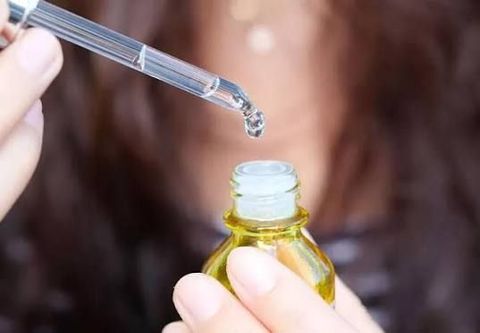
Packaging influences product protection, usability, and presentation. Glass bottles, airless pumps, and dropper containers may suit different formulations, but compatibility should be evaluated before final approval.
Discuss minimum order quantities, sample availability, production schedules, labeling requirements, and procedures for handling defective batches. Written agreements help clarify expectations and reduce misunderstandings.
Export and Regulatory Requirements
Businesses importing cosmetics should identify the rules applicable in their destination country. These may cover ingredient restrictions, product safety assessments, labeling, responsible parties, import documentation, and notification or registration requirements.
Do not assume that a product manufactured in China automatically qualifies for distribution elsewhere. Confirm applicable obligations with the relevant regulatory authority or a qualified compliance professional.
Frequently Asked Questions
How can businesses find reliable China serum manufacturers?
Compare several suppliers using business credentials, manufacturing capabilities, documentation, samples, communication quality, and clearly defined production terms.
What is the difference between private label and custom formulation?
Private label generally uses an existing formula with branding options, while custom formulation involves developing or modifying a product to meet specified requirements.
Can China skincare serum suppliers support international distribution?
Some suppliers have export experience, but capabilities differ. Confirm documentation, packaging, labeling, and destination-market compliance requirements before placing an order.
What should buyers check before approving a serum?
Review the formula specifications, ingredient documentation, product stability information, packaging compatibility, quality-control records, and applicable regulatory requirements.
Conclusion
China serum manufacturers offer different approaches to skincare product development, private labeling, wholesale supply, and contract production. Businesses can compare facial serum manufacturers China by evaluating their technical capabilities, documentation, production terms, and export experience. Careful supplier assessment and clear written specifications help establish a more informed manufacturing process.