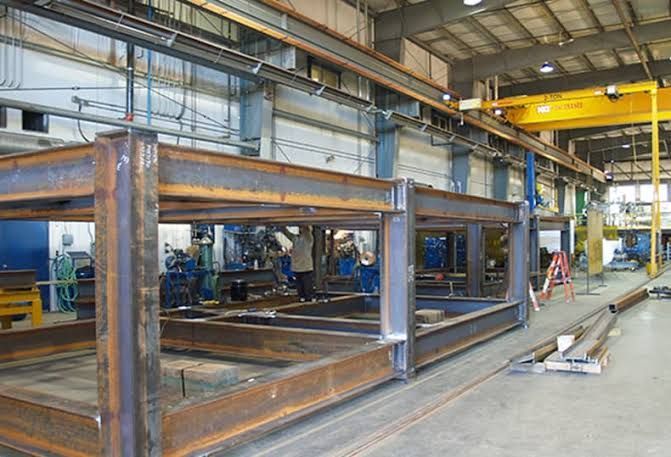
Structural Steel Fabrication: Process, Types and Best Practices
Explore structural steel fabrication, its process, components, quality checks, applications, and practical tips for construction projects.
But before steel components reach a construction site, they must be accurately measured, cut, formed, assembled, and inspected. This process is known as structural steel fabrication.
High-quality fabrication can help ensure that beams, columns, frames, connections, and other components meet the dimensional and engineering requirements established for a project. Understanding the fabrication process can help contractors, engineers, and project managers make better decisions when planning steel structures.
What Is Structural Steel Fabrication?
Structural steel fabrication is the process of transforming steel sections and plates into engineered components used to construct load-bearing structures.
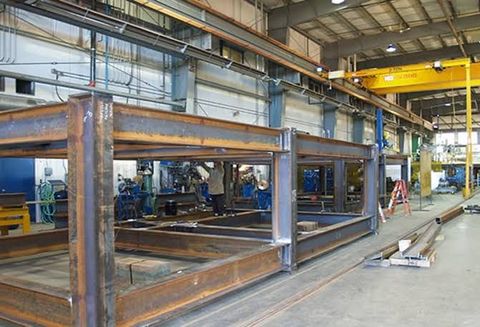
Fabrication generally takes place in a controlled workshop environment before components are transported to the construction site for erection.
Typical activities include:
- Engineering and detailing
- Material preparation
- Cutting
- Drilling
- Bending or forming
- Welding
- Bolting
- Assembly
- Surface preparation
- Coating
- Inspection
- Transportation
The exact sequence depends on the project's design, structural system, steel grade, component geometry, and applicable standards.
Why Structural Steel Fabrication Matters
Structural components must fit together accurately during site assembly. Even relatively small dimensional errors can create installation difficulties when multiple beams, columns, plates, and connections need to align.
Professional fabrication focuses on accuracy, consistency, traceability, and quality control throughout production.
Key benefits include:
- Better dimensional accuracy
- Consistent component quality
- More efficient site assembly
- Controlled welding conditions
- Reduced fabrication errors
- Easier inspection
- Improved project coordination
- More predictable installation
Fabricating components in a workshop can also reduce the amount of cutting, drilling, and welding required directly at the construction site.
Structural Steel Fabrication Process Step by Step
The structural steel fabrication process generally follows a sequence designed to convert engineering drawings into finished components.
1. Design and Detailing
The process begins with engineering drawings and fabrication details. Fabricators use these documents to determine dimensions, connections, material specifications, weld requirements, bolt locations, and component quantities.
Modern projects frequently use 3D modeling and detailing software to identify potential clashes and improve coordination before fabrication begins.
2. Material Procurement and Inspection
Steel sections and plates are selected according to project specifications.
Common structural steel products include:
- I-beams
- H-beams
- Channels
- Angles
- Structural tubes
- Steel plates
- Flat bars
Material certificates and identification records can be reviewed to verify that the supplied steel corresponds with project requirements.
3. Cutting
Steel is cut into required lengths and shapes using suitable equipment.
Depending on thickness, geometry, and production requirements, processes may include:
- Saw cutting
- Plasma cutting
- Laser cutting
- Oxy-fuel cutting
Accurate cutting is important because dimensional errors can affect subsequent assembly and connection alignment.
4. Drilling and Machining
Holes may be created for bolts, anchors, connections, and other components.
Computer-controlled equipment can produce repeatable hole locations, particularly for projects involving numerous similar components.
5. Assembly
Individual steel pieces are positioned and temporarily secured according to fabrication drawings.
Fabricators verify dimensions and alignment before permanent welding or bolting.
6. Welding
Welding joins steel components into assemblies or completed structural members.
The welding method depends on the material, joint design, thickness, position, and project requirements. Proper procedures and qualified personnel are important for structural applications.
7. Inspection and Quality Control
Fabricated components are inspected to verify dimensions, weld quality, connection details, and surface condition.
Depending on project requirements, inspection may involve visual examination and nondestructive testing methods.
8. Surface Preparation and Coating
Steel may require cleaning, blasting, priming, painting, or specialized protective coatings.
The selected system depends on environmental exposure and project specifications.
9. Final Assembly and Dispatch
Completed components are checked, identified, organized, and prepared for transportation.
Proper labeling and packaging help ensure that the correct components arrive at the construction site in an organized sequence.
Types of Structural Steel Components
Structural steel fabrication can produce many different components.
| Component | Common Application | Function |
|---|---|---|
| Steel columns | Buildings, warehouses | Transfer vertical loads |
| Beams | Floors, roofs | Support horizontal loads |
| Trusses | Large-span structures | Support roofs and spans |
| Bracing | Buildings and industrial structures | Improve structural stability |
| Base plates | Column connections | Transfer loads to foundations |
| Steel frames | Industrial buildings | Form primary structure |
| Connection plates | Structural joints | Connect members |
| Stair structures | Commercial and industrial facilities | Support stair systems |
The specific component dimensions and connection details must be established by the project's structural design.
Custom Structural Steel Fabrication
Custom structural steel fabrication becomes important when a project requires unusual dimensions, complex geometries, specialized connections, or components that are not available as standard assemblies.
Custom fabrication may be used for:
- Industrial platforms
- Mezzanines
- Large-span structures
- Specialized frames
- Equipment supports
- Architectural steelwork
- Complex connection assemblies
The more customized a project becomes, the more important accurate drawings, engineering coordination, and fabrication planning become.
Quality Control in Steel Fabrication
Quality control should be integrated throughout the fabrication process rather than performed only at the end.
Important checks may include:
Dimensional Inspection
Measurements can verify member lengths, hole locations, angles, squareness, and assembly dimensions.
Weld Inspection
Welds may be evaluated according to the project's specified inspection requirements. Depending on the application, visual inspection and nondestructive examination may be used.
Material Traceability
Material identification helps connect finished components with the appropriate steel grades and documentation.
Coating Inspection
Where protective coatings are specified, inspectors may verify surface preparation and coating thickness according to project requirements.
Structural Steel Fabrication Standards
Fabrication requirements depend on the project's location, building regulations, engineering specifications, and applicable standards.
Depending on the project, specifications may reference organizations and standards such as:
- AISC
- AWS
- ASTM
- EN
- ISO
- Local building codes
Project teams should always establish the applicable standards before fabrication begins. Requirements can differ depending on structural system, material, location, and intended use.
How to Choose Structural Steel Fabricators
Selecting reliable structural steel fabricators is an important project decision.
Review Technical Capabilities
Determine whether the fabricator has equipment appropriate for the required steel sizes, thicknesses, geometries, and production volume.
Examine Quality Systems
Ask about inspection procedures, material traceability, welding qualifications, documentation, and quality-control processes.
Evaluate Production Capacity
The fabricator should have sufficient capacity to meet the project's required production and delivery schedule.
Check Experience
Experience with similar structures can be valuable, particularly for technically complex projects.
Review Project Coordination
Effective communication between engineers, fabricators, contractors, and erectors can reduce errors caused by outdated drawings or conflicting information.
Assess Site Delivery Planning
Large structural components require careful transportation and sequencing. Fabrication planning should account for access, lifting requirements, storage, and erection order.
Common Applications
Structural steel fabrication supports projects across numerous industries.
Commercial Construction
Steel frames can be used in offices, retail buildings, hotels, and other commercial structures.
Industrial Facilities
Factories, processing plants, workshops, and warehouses often rely on fabricated steel frames, platforms, supports, and access structures.
Infrastructure
Bridges, transportation facilities, utility structures, and other infrastructure projects can require highly specialized steel fabrication.
Energy Projects
Power-generation and energy facilities may use fabricated steel for platforms, structural supports, equipment frames, and access systems.
Best Practices for Structural Steel Projects
A successful project requires coordination from design through installation.
Follow these practices:
- Finalize engineering information before production.
- Use coordinated fabrication drawings.
- Verify material specifications.
- Maintain material traceability.
- Use qualified welding procedures and personnel.
- Perform dimensional checks throughout production.
- Document inspections and corrective actions.
- Coordinate fabrication with erection sequencing.
- Protect finished components during storage and transportation.
- Maintain clear communication between all project stakeholders.
Frequently Asked Questions
What is structural steel fabrication?
Structural steel fabrication is the process of converting steel sections, plates, and other materials into engineered components used in load-bearing structures.
What are the main steps in structural steel fabrication?
The process generally includes detailing, material preparation, cutting, drilling, assembly, welding, inspection, surface treatment, and final preparation for transportation.
What types of steel are used in structural fabrication?
Common products include beams, channels, angles, plates, hollow structural sections, and other structural profiles. The required grade depends on the project's engineering specifications.
How do I choose structural steel fabricators?
Evaluate technical capabilities, quality-control systems, relevant experience, production capacity, documentation practices, safety procedures, and ability to coordinate with the construction team.
Why is quality control important in steel fabrication?
Quality control helps verify that materials, dimensions, connections, welds, and protective finishes meet the project's specified requirements before components reach the construction site.
Conclusion
Structural steel fabrication connects engineering design with real-world construction. Accurate detailing, material control, cutting, assembly, welding, inspection, and finishing all contribute to producing structural components that can be efficiently assembled on site.
For a successful project, focus on more than fabrication capacity alone. Strong engineering coordination, documented quality control, material traceability, appropriate standards, and reliable delivery planning are equally important.
Whether the project involves a warehouse, commercial building, industrial facility, infrastructure project, or specialized steel structure, selecting an appropriately equipped and experienced fabrication team can help support a smoother path from design drawings to completed structure.