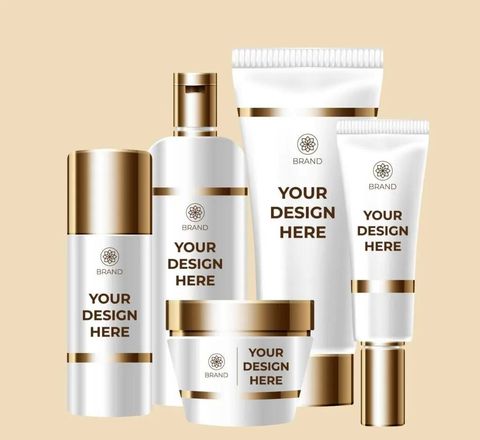
Private Label Manufacturers: A Guide to Products, Suppliers, and Production
Private label manufacturers help businesses develop products under their own brand names without operating their own manufacturing facilities.
From cosmetics and skincare to food and nutritional supplements, private label manufacturing companies support different industries by producing goods according to agreed specifications. Understanding how private label product manufacturers, private label suppliers wholesale, and custom private label manufacturers operate can help businesses evaluate production options, quality standards, and supply chain requirements.
Understanding Private Label Manufacturing
What Are Private Label Manufacturers?
Private label manufacturers produce goods that another business markets under its own brand. Depending on the agreement, the manufacturer may provide ready-made formulations, packaging options, labeling support, or customized production.
This approach allows businesses to focus on branding, distribution, customer research, and product development while an external company manages manufacturing activities. The exact responsibilities depend on the supplier, product category, and contract terms.
How Private Label Production Works
The process generally begins with selecting a product category and identifying suitable manufacturing partners. Businesses then review product specifications, minimum order quantities, packaging requirements, quality controls, and delivery schedules.
Typical steps include:
Product selection and specification review
Manufacturer assessment and sample evaluation
Label and packaging approval
Production planning and quality checks
Packaging, documentation, and distribution
Why Businesses Consider Private Label Manufacturing
Production and Operational Flexibility
Working with private label manufacturing companies can reduce the need to establish dedicated production facilities. Businesses may gain access to existing equipment, manufacturing processes, and industry expertise.
However, external production still requires careful planning. Minimum order quantities, inventory management, supplier availability, and shipping arrangements can influence overall operating expenses.
Branding and Product Differentiation
Private labeling provides opportunities to establish a recognizable brand identity through packaging, product presentation, and selected specifications. Some manufacturers offer customization, while others primarily produce established product formulations or designs.
Custom private label manufacturers may support adjustments to ingredients, materials, packaging formats, or product features, subject to technical feasibility and applicable regulations.
Types of Private Label Manufacturers
Different product categories require different production capabilities, documentation, and quality management procedures.
Cosmetics and Skincare Manufacturers
Private label cosmetics manufacturers produce items such as lotions, cleansers, makeup, and personal care products. Private label skincare manufacturers may offer ready-made formulations or development options for particular product requirements.
Businesses should review ingredient documentation, product stability, labeling requirements, manufacturing hygiene, and applicable cosmetic regulations before selecting a partner.
Supplement and Food Manufacturers
Private label supplement manufacturers produce products such as vitamins, minerals, powders, and other nutritional formulations, subject to applicable laws. Private label food manufacturers handle categories ranging from packaged snacks to sauces and dry food products.
These categories require particular attention to ingredient traceability, allergen information, hygiene controls, packaging integrity, and regulatory documentation. Requirements vary according to the product and the market where it will be distributed.
Wholesale and Contract Manufacturing
Private label suppliers wholesale may provide finished products in larger quantities for retailers, distributors, or online businesses. Their offerings can include standard packaging, established product ranges, and arrangements for repeat orders.
Private label contract manufacturing services may cover a broader scope, including production planning, formulation development, packaging, and technical coordination. Businesses should confirm exactly which activities are included in the written agreement.
Comparing Manufacturer Options
The following table summarizes common differences between manufacturing arrangements.
Manufacturing option | Typical characteristics | Main consideration |
|---|---|---|
Standard private label | Existing products with branding options | Limited customization |
Custom private label | Modified specifications or formulations | Development time and technical feasibility |
Wholesale private label | Larger quantities of finished products | Inventory and order requirements |
Contract manufacturing | Production based on agreed specifications | Contract scope and quality oversight |
The most appropriate arrangement depends on product complexity, expected demand, customization needs, and available resources.
How to Evaluate Private Label Suppliers
Quality, Compliance, and Documentation
Before selecting a supplier, review its production capabilities, quality management procedures, relevant certifications, and experience with the intended product category. Certifications should be checked for authenticity, scope, and current validity rather than assumed to apply to every product.
Request relevant product specifications, sample batches, ingredient or material records, and information about inspection procedures. Businesses distributing products internationally should also understand the regulatory requirements in each destination market.
Production Capacity and Communication
Assess whether the manufacturer can support expected order volumes and communicate clearly about production timelines. Ask about minimum order quantities, payment schedules, packaging options, shipping responsibilities, and procedures for handling defective products.
A written agreement should identify product specifications, responsibilities, quality acceptance criteria, intellectual property arrangements, and processes for managing changes. Clear documentation helps both parties understand their obligations.
Frequently Asked Questions
What do private label manufacturers do?
They produce goods that another business markets under its own brand. Depending on the agreement, they may also support packaging, labeling, product customization, and quality checks.
How do businesses choose private label product manufacturers?
Businesses typically compare product expertise, manufacturing capacity, quality controls, documentation, minimum order quantities, communication, and delivery arrangements before making a decision.
Are private label cosmetics manufacturers different from food manufacturers?
Yes. Cosmetics and food production involve different ingredients, testing procedures, labeling rules, and regulatory requirements. A suitable manufacturer should have experience with the relevant product category.
What are private label contract manufacturing services?
These services involve producing goods according to an agreed specification or contract. The scope may include production, packaging, formulation support, and quality documentation.
Conclusion
Private label manufacturing offers businesses a structured way to develop branded products through external production partners. By comparing private label suppliers wholesale, evaluating custom manufacturing capabilities, and reviewing quality and compliance requirements, businesses can make more informed decisions. Careful supplier assessment, clear agreements, and realistic production planning are important for establishing a dependable manufacturing relationship.