Digital Billboards: Advertising Guide for Businesses
A roadside message has only a few seconds to capture attention.
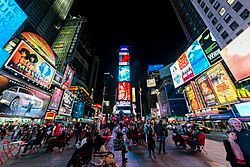
Digital billboards use large electronic displays to deliver changing advertisements, announcements, promotions, and branded messages in high-traffic environments.
Unlike traditional static displays, digital screens can rotate multiple creatives throughout the day. This flexibility allows advertisers to adjust messages according to location, audience, timing, and campaign objectives.
What Are Digital Billboards?
Digital billboards are large-format electronic displays used for outdoor advertising. They typically use LED technology and can display text, photographs, graphics, animations, and short video-style content.
A single screen can rotate multiple campaigns within a scheduled playlist. This makes digital outdoor advertising particularly useful for brands that want to communicate different messages during different periods.
Common locations include:
- Highways
- City intersections
- Shopping districts
- Airports
- Transit areas
- Sports venues
- Entertainment districts
- Commercial centers
- Major pedestrian corridors
Why Digital Billboard Advertising Matters
Outdoor advertising competes with traffic, buildings, signs, vehicles, and other visual distractions. Digital screens provide greater creative flexibility than static formats because advertisers can change the displayed message without replacing physical materials.
Key Advantages
Flexible messaging: Multiple creatives can run on one display.
Time-based campaigns: Messages can be scheduled for particular hours or days.
Dynamic content: Motion, animation, and changing graphics can attract attention.
Location visibility: Large displays can reach audiences traveling through busy areas.
Creative testing: Different messages can be rotated and evaluated during a campaign.
Brand awareness: Repeated exposure can strengthen recognition among people who regularly pass the display.
Digital Billboards vs Traditional Billboards
Both formats have a role in outdoor advertising, but their capabilities differ.
| Feature | Digital Billboard | Traditional Billboard |
|---|---|---|
| Content changes | Scheduled electronically | Physical replacement |
| Multiple messages | Yes | Usually one message |
| Animation | Possible | No |
| Scheduling | Highly flexible | Limited |
| Creative updates | Rapid | Requires physical change |
| Motion | Available | Static |
| Campaign flexibility | High | Lower |
| Production materials | Digital | Printed |
The appropriate format depends on campaign objectives, location, audience, creative requirements, and available advertising budget.
Digital Billboard Advertising Pricing Factors
The amount required for a digital billboard campaign can vary substantially. There is no universal rate because several factors influence pricing.
Location
A display positioned near a major highway, busy intersection, downtown district, or prominent commercial area may command different rates from one in a lower-traffic location.
Audience Volume
Traffic volume and pedestrian activity are important considerations. Advertisers should examine available audience estimates rather than judging a location solely by its appearance.
Display Size
Larger screens can provide greater visibility, particularly from longer distances. Screen dimensions and viewing conditions can therefore influence campaign pricing.
Campaign Duration
Longer campaigns may have different pricing structures from short-term placements. Seasonal demand can also affect available inventory.
Time of Day
Some digital billboard advertising rates vary according to scheduling. Peak commuting periods, evenings, weekends, or special events may attract greater demand.
Frequency
The number of times an advertisement appears within a rotation can affect the overall campaign structure. Advertisers should understand the expected frequency rather than focusing only on the headline rate.
How Digital Billboard Locations Affect Performance
Choosing the right digital billboard locations is one of the most important parts of an outdoor campaign.
A visually impressive screen is not necessarily the most effective option. The surrounding environment and audience behavior matter just as much.
Evaluate Traffic Patterns
Consider:
- Vehicle volume
- Pedestrian traffic
- Average travel speed
- Traffic congestion
- Viewing direction
- Intersection visibility
- Nearby landmarks
A location where vehicles regularly slow down may provide different viewing opportunities from a highway where traffic moves rapidly.
Consider Audience Relevance
A campaign should appear where its intended audience is likely to travel.
For example, a restaurant campaign may benefit from proximity to dining districts, while a business targeting commuters may prioritize major transportation routes.
Examine Viewing Conditions
Check the screen's visibility during both daytime and nighttime. Buildings, trees, road infrastructure, competing signs, and viewing angles can influence how effectively the message is seen.
Creating Effective Digital Billboard Advertising
A digital billboard has limited viewing time, so complicated messaging can reduce effectiveness.
Keep the Message Simple
A strong billboard usually communicates one primary idea rather than several unrelated points.
Use:
- A short headline
- A recognizable brand element
- One clear visual
- A simple action prompt
- Strong contrast between important elements
Make Text Easy to Read
Typography should be large enough to remain readable from the expected viewing distance.
Avoid crowded layouts, lengthy paragraphs, decorative fonts, and excessive information.
Use Strong Visual Hierarchy
The most important element should immediately stand out. A viewer should understand the primary message without needing to study the screen.
Design for Motion Carefully
Animation can attract attention, but excessive movement may make the message difficult to understand.
Transitions should support the communication rather than become the main attraction.
Digital Billboard Marketing Strategies
Digital billboard marketing can work particularly well when integrated with other advertising channels.
Geographic Targeting
Coordinate outdoor campaigns with campaigns targeting people within the same geographic area. Consistent messaging across channels can reinforce brand recognition.
Event-Based Campaigns
Businesses can adapt messages around sporting events, festivals, conferences, holidays, and major local activities.
Digital displays make these updates easier because content can be changed electronically.
Time-Sensitive Messaging
Businesses can schedule different creative concepts for morning, afternoon, evening, weekdays, or weekends.
For example, a campaign might communicate a breakfast message in the morning and a different evening message later in the day.
Sequential Storytelling
Multiple creative variations can work together to communicate a simple story across several impressions.
This approach can be particularly useful when multiple screens are positioned along the same travel route.
How to Measure Digital Billboard Campaigns
Measuring outdoor advertising requires more than counting impressions.
Useful performance indicators can include:
- Estimated impressions
- Reach
- Frequency
- Website traffic
- Search activity
- QR-code scans
- Dedicated landing-page visits
- Geographic response
- Brand-awareness measurements
- Campaign-period conversions
Using a unique landing page, promotional code, QR code, or campaign-specific tracking mechanism can make response measurement easier.
Advertisers should also compare campaign performance against a defined baseline whenever possible.
Best Practices for Digital Billboard Campaigns
Before launching a campaign, use this checklist:
- Define one primary campaign objective.
- Research audience movement around the selected location.
- Choose a message that can be understood quickly.
- Use large, readable typography.
- Keep visual elements simple.
- Make the brand recognizable.
- Schedule creative according to audience behavior.
- Test multiple creative variations where appropriate.
- Track measurable response signals.
- Review performance and refine future creative.
A billboard should complement the broader marketing strategy rather than operate independently.
Who Can Benefit From Digital Billboards?
Digital billboards can be relevant to organizations seeking broad local visibility or repeated exposure.
Local Businesses
Restaurants, retailers, entertainment venues, and local brands can use strategically positioned displays to reach nearby audiences.
National Brands
Large companies can use digital outdoor campaigns to support product launches, seasonal campaigns, and brand-awareness initiatives.
Event Organizers
Events can use digital displays to communicate dates, locations, schedules, and attendance messages.
Real Estate Companies
Property marketers can use geographic targeting to communicate development information to audiences traveling near relevant areas.
Frequently Asked Questions
How do digital billboards work?
Digital billboards use electronic displays, commonly LED screens, to show scheduled advertisements and other content. Multiple messages can rotate through a programmed playlist.
How much does digital billboard advertising cost?
Pricing varies according to location, audience volume, screen size, campaign duration, scheduling, demand, and frequency. Advertisers should compare complete campaign packages rather than one headline figure.
What makes a digital billboard effective?
A clear message, strong visual hierarchy, readable typography, recognizable branding, and appropriate location can improve the effectiveness of a digital billboard.
How are digital billboard locations selected?
Locations can be evaluated using traffic volume, audience demographics, visibility, travel direction, viewing distance, nearby attractions, and campaign objectives.
Are digital billboards better than traditional billboards?
Neither format is universally better. Digital displays provide greater scheduling and creative flexibility, while traditional billboards can provide consistent static visibility.
Conclusion
Digital billboards provide a flexible approach to outdoor advertising by combining large-scale visibility with electronically controlled content. Their ability to rotate messages, schedule creative, and adapt campaigns makes them particularly useful for location-focused marketing.
Successful campaigns depend on more than screen size. Location, audience relevance, message clarity, creative design, scheduling, and measurement all influence performance.
Businesses should begin with a clear objective, identify locations that match their audience, develop concise creative, and establish measurable indicators before launching a campaign. This structured approach can help turn digital outdoor advertising into a more accountable part of the overall marketing strategy.