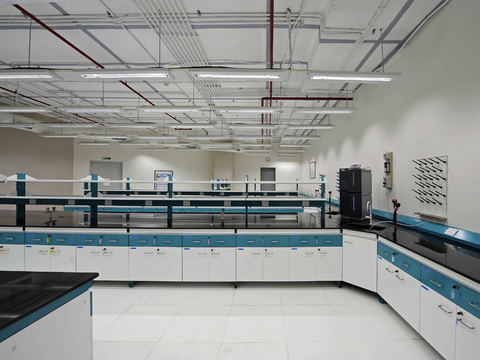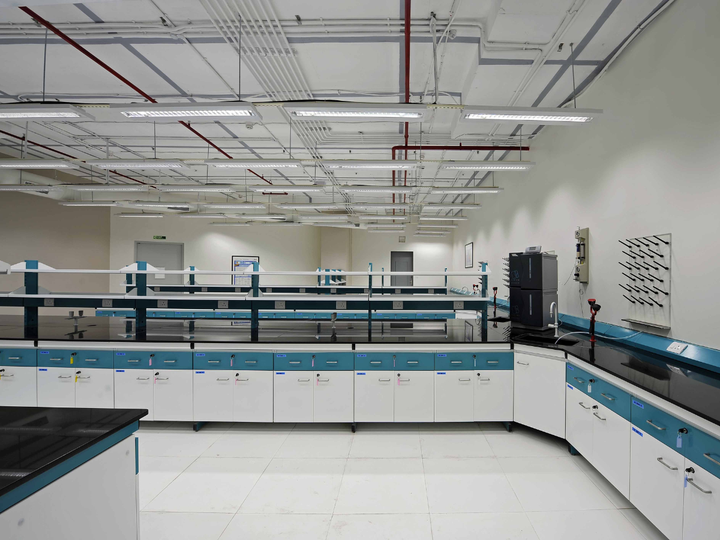
Laboratory Furniture Manufacturing: Types, Process and Quality
A laboratory is more than a room filled with instruments. Its furniture must support equipment, withstand demanding working conditions.
Laboratory furniture manufacturing combines material selection, engineering, fabrication, finishing, and quality control to create workstations and storage systems suited to different laboratory environments. From research laboratories and healthcare facilities to educational and industrial testing facilities, furniture requirements can vary significantly.
What Is Laboratory Furniture Manufacturing?
Laboratory furniture manufacturing is the process of designing and producing specialized furniture for scientific, medical, educational, industrial, and research environments.
Unlike conventional office furniture, laboratory systems may need to accommodate heavy instruments, chemical exposure, moisture, frequent cleaning, vibration, and specialized utility connections.
Common products include:
- Laboratory workbenches
- Laboratory cabinets
- Mobile workstations
- Storage cabinets
- Sink units
- Instrument tables
- Modular laboratory systems
- Shelving systems
- Laboratory stools
- Equipment-support structures
The design should be matched to the laboratory's workflow, equipment, materials, and operational requirements.
Why Laboratory Furniture Quality Matters
Laboratory furniture is exposed to conditions that can be considerably more demanding than those found in ordinary workplaces.
A workbench may support analytical equipment for long periods, while a cabinet may be exposed to repeated cleaning or specific laboratory substances.
Well-designed furniture can support:
- Efficient workspace organization
- Equipment stability
- Ergonomic working positions
- Effective storage
- Easier cleaning
- Workflow efficiency
- Appropriate utility integration
- Long-term durability
Furniture should complement the laboratory's safety and operational systems rather than be treated as an isolated design element.
Types of Laboratory Furniture
Different laboratory activities require different furniture configurations.
| Furniture Type | Common Application | Important Considerations |
|---|---|---|
| Laboratory workbench | Research and testing | Load capacity, surface material |
| Storage cabinet | Equipment and materials | Capacity, access, construction |
| Mobile workstation | Flexible laboratory areas | Mobility, stability, locking |
| Instrument table | Analytical equipment | Vibration and load requirements |
| Sink unit | Wet laboratories | Moisture resistance, plumbing |
| Wall cabinet | Storage | Accessibility, mounting |
| Modular laboratory system | Flexible layouts | Reconfiguration and utilities |
| Laboratory stool | Workstations | Ergonomics and adjustability |
The right combination depends on the laboratory's activities and available space.
Laboratory Furniture Manufacturing Process Step by Step
The laboratory furniture manufacturing process begins with understanding the laboratory environment rather than simply selecting standard furniture dimensions.
1. Laboratory Planning and Design
Manufacturers first evaluate the available space, laboratory workflow, equipment, storage requirements, utilities, and user needs.
Computer-aided design can help create layouts and determine furniture dimensions before fabrication begins.
Important planning considerations can include:
- Room dimensions
- Equipment locations
- Electrical outlets
- Water connections
- Drainage
- Gas connections where applicable
- Ventilation requirements
- Access pathways
- Ergonomic working height
2. Material Selection
Material selection is one of the most important decisions in laboratory furniture design.
Potential materials include:
- Stainless steel
- Powder-coated steel
- High-pressure laminate
- Phenolic resin
- Compact laminate
- Solid-surface materials
- Engineered polymers
- Wood-based panels for suitable applications
The appropriate material depends on chemical exposure, moisture, heat, cleaning procedures, mechanical loading, hygiene requirements, and laboratory use.
3. Cutting and Fabrication
Materials are cut and shaped according to approved drawings.
Metal furniture may involve processes such as:
- Laser cutting
- CNC machining
- Bending
- Drilling
- Welding
- Grinding
Panel-based systems may use CNC routing, edge processing, drilling, and specialized assembly techniques.
4. Surface Finishing
Metal components may receive powder coating or other protective finishes.
Surface preparation is important because it affects coating adhesion, appearance, and durability.
For laboratory applications, the selected finish should be compatible with the expected cleaning and environmental conditions.
5. Assembly
Individual components are assembled into complete furniture units.
Manufacturers may install:
- Hinges
- Drawer systems
- Handles
- Shelves
- Work surfaces
- Sinks
- Casters
- Utility components
Assembly accuracy is important because laboratory furniture often needs to align with fixed equipment and building services.
6. Inspection and Testing
Finished furniture should undergo appropriate inspection before delivery.
Quality checks may examine:
- Dimensions
- Surface finish
- Structural integrity
- Door and drawer operation
- Load-bearing capability
- Assembly quality
- Hardware installation
Additional testing may be appropriate depending on the furniture type and intended environment.
Custom Laboratory Furniture
Custom laboratory furniture can be useful when standard configurations cannot accommodate a laboratory's equipment or workflow.
Customization may involve:
- Workbench dimensions
- Storage configuration
- Cabinet layouts
- Work-surface materials
- Equipment integration
- Sink placement
- Utility connections
- Mobility
- Accessibility requirements
- Color and finish
Custom designs should begin with a clear understanding of how users interact with equipment and move through the laboratory.
Laboratory Workbench Manufacturers
Laboratory workbench manufacturers need to consider more than the visual appearance of a workstation.
A laboratory workbench may need to support substantial equipment while remaining stable during use.
Important considerations include:
Load Capacity
The manufacturer should specify the intended load capacity for the workbench configuration.
Surface Performance
The work surface should be appropriate for the chemicals, heat, moisture, cleaning procedures, and activities expected in the laboratory.
Ergonomics
Workbench height, legroom, seating position, and equipment placement can influence user comfort and productivity.
Utility Integration
Some workstations require electrical, plumbing, compressed-air, gas, or other utility connections. These should be coordinated during the design stage.
Laboratory Cabinet Materials
Laboratory cabinets can be manufactured from different materials depending on their intended environment.
Stainless steel can be appropriate for applications requiring corrosion resistance and frequent cleaning.
Powder-coated steel can provide a durable finished surface for many general laboratory environments.
Phenolic and compact laminate systems can be useful where moisture and chemical resistance are important considerations.
Material selection should always be based on the actual substances and conditions expected in the laboratory.
Quality Control in Laboratory Furniture Manufacturing
A strong quality-control system can reduce problems during installation and daily use.
Dimensional Inspection
Furniture dimensions should be checked against approved drawings.
Hardware Inspection
Doors, drawers, hinges, handles, locks, and adjustable components should operate correctly.
Surface Inspection
Manufacturers can inspect surfaces for scratches, coating defects, uneven finishing, and other visible problems.
Structural Inspection
Frames, joints, welds, and connections should be evaluated according to the furniture design.
Pre-Installation Checks
Where furniture is part of a larger laboratory project, manufacturers and contractors should coordinate dimensions and utility requirements before delivery.
How to Choose Laboratory Furniture Manufacturers
Selecting the right manufacturer requires evaluation of both technical and project-management capabilities.
Review Manufacturing Capabilities
Check whether the manufacturer can work with the materials, dimensions, finishes, and configurations required.
Examine Laboratory Experience
Experience with scientific, medical, pharmaceutical, educational, or industrial laboratories can be valuable because these environments have different requirements from conventional offices.
Evaluate Customization
If the project involves specialized equipment or unusual room layouts, confirm that the manufacturer has appropriate engineering and fabrication capabilities.
Check Quality Procedures
Ask about material specifications, fabrication controls, inspection processes, documentation, and product testing.
Consider Installation Support
Large laboratory projects often require coordinated installation. Confirm how furniture dimensions, utilities, equipment, and room layouts will be coordinated.
Safety and Ergonomics Considerations
Laboratory furniture should support safe and efficient working practices.
Designers may need to consider:
- Clear circulation paths
- Stable equipment support
- Appropriate working heights
- Accessible storage
- Rounded or appropriately finished edges
- Suitable chemical-resistant surfaces
- Easy-to-clean areas
- Appropriate utility placement
- Compatibility with laboratory ventilation systems
Furniture should not interfere with safety equipment such as emergency exits, eyewash stations, safety showers, fire equipment, or laboratory ventilation.
Best Practices for Laboratory Furniture Projects
Use these practices when planning a laboratory furniture project:
- Document laboratory activities before designing furniture.
- Map major equipment and utility requirements.
- Select materials according to the operating environment.
- Specify expected loads for work surfaces and storage.
- Prioritize ergonomic working dimensions.
- Coordinate furniture with electrical and plumbing layouts.
- Confirm dimensions before fabrication.
- Inspect finished furniture before installation.
- Plan installation around laboratory equipment.
- Maintain documentation for materials and specifications.
Early coordination can reduce modifications after furniture reaches the laboratory.
Who Uses Laboratory Furniture?
Laboratory furniture is used across many environments.
Research laboratories may require flexible workstations and specialized equipment supports.
Healthcare and clinical laboratories often prioritize cleanable surfaces, organized storage, and efficient workflows.
Educational laboratories may require durable furniture capable of supporting frequent use by students and instructors.
Industrial laboratories can require specialized work surfaces, heavy-duty benches, instrument tables, and storage systems.
Frequently Asked Questions
What is laboratory furniture manufacturing?
Laboratory furniture manufacturing involves designing and producing specialized workbenches, cabinets, storage systems, instrument tables, sinks, and other furniture intended for laboratory environments.
What materials are commonly used for laboratory furniture?
Common materials include stainless steel, powder-coated steel, laminate, phenolic resin, compact laminate, solid-surface materials, and specialized polymers.
What is involved in the laboratory furniture manufacturing process?
The process generally includes laboratory planning, design, material selection, cutting, fabrication, surface finishing, assembly, inspection, and installation coordination.
How do I choose laboratory furniture manufacturers?
Evaluate their laboratory experience, material capabilities, customization options, quality procedures, engineering capabilities, project coordination, and installation support.
What should I consider when selecting a laboratory workbench?
Consider load capacity, work-surface material, dimensions, ergonomics, equipment requirements, utility connections, cleaning procedures, and the laboratory environment.
Conclusion
Laboratory furniture manufacturing combines specialized design, material engineering, fabrication, and quality control to create work environments suited to scientific and technical applications.
The most effective furniture is not simply durable or visually appealing. It should support the laboratory's workflow, equipment, safety requirements, ergonomics, storage needs, utilities, and cleaning practices.
Whether planning a research laboratory, clinical facility, educational space, or industrial testing environment, begin with a detailed assessment of activities and equipment. Then work with an appropriately experienced manufacturer to develop furniture that fits the physical space and operational requirements.