Diversification Strategies: A Guide to Managing Investment Risk
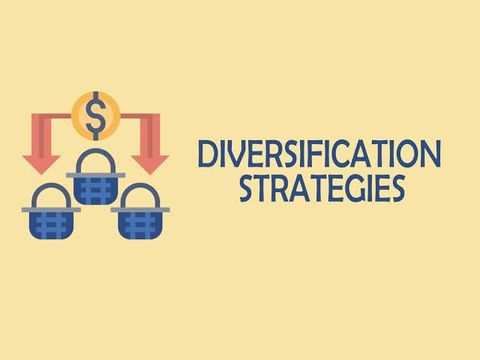
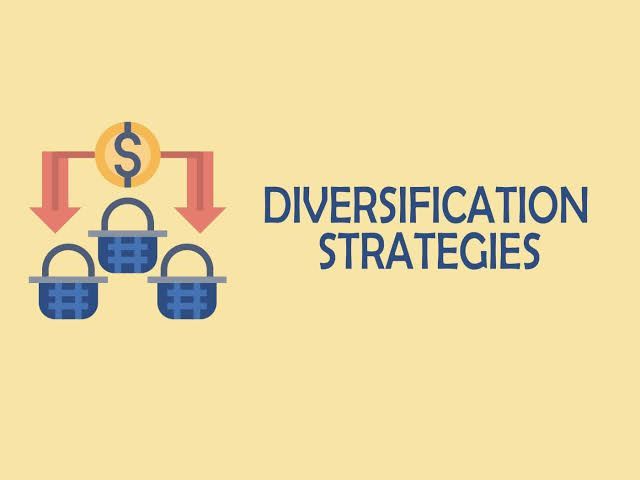
Diversification strategies are approaches to spreading investments across different asset classes, industries, regions, and financial instruments.
The main objective is to reduce dependence on a single investment and help manage the effects of market fluctuations. Investors often use investment portfolio diversification strategies to balance potential growth opportunities with different levels of risk.
A diversified portfolio may include stocks, bonds, cash equivalents, real estate investments, and other assets. The appropriate combination depends on individual financial goals, investment timelines, risk tolerance, and available resources. Diversification does not eliminate investment risk or guarantee positive returns, but it can help reduce the impact of certain losses.
Why Diversification Matters
Managing Investment Risk
When a portfolio depends heavily on one company, industry, or asset class, an unfavorable event can significantly affect its overall value. Diversification distributes investments across different areas, reducing the influence of any single holding.
For example, an investor holding investments in several industries may be less exposed to problems affecting one particular sector. However, different investments can decline simultaneously during widespread market disruptions.
Supporting Long-Term Financial Goals
Diversification can help investors structure their portfolios around objectives such as retirement planning, long-term wealth accumulation, or future financial commitments. Combining assets with different characteristics may also help balance growth potential and stability.
Investors should periodically review their portfolios because financial goals, market conditions, and personal circumstances can change over time.
Common Types of Diversification Strategies
Asset Class Diversification
Asset class diversification involves allocating investments across categories such as equities, fixed-income securities, cash equivalents, and real estate. Each category may respond differently to economic conditions, interest rates, and market sentiment.
Industry and Geographic Diversification
Industry diversification spreads investments across sectors such as healthcare, technology, manufacturing, and consumer goods. Geographic diversification extends investments across domestic and international markets, helping reduce reliance on one country's economic performance.
Investment Style Diversification
Investors may combine different investment approaches, including growth-oriented and value-oriented strategies. They can also consider differences in company size, investment duration, and income characteristics when constructing a portfolio.
Portfolio Diversification Options Compared
The following table outlines common approaches and their general purposes.
Diversification approach | Primary purpose | Important consideration |
|---|---|---|
Asset allocation | Balance different asset classes | Risk tolerance and time horizon |
Industry diversification | Reduce sector concentration | Industries may move together |
Geographic diversification | Spread regional exposure | Currency and political risks |
Fixed-income allocation | Introduce different income characteristics | Interest-rate and credit risks |
Alternative investments | Expand investment exposure | Liquidity and valuation concerns |
No single approach is suitable for every investor. The effectiveness of a portfolio depends on how its investments interact and whether its overall structure matches the investor's objectives.
Professional Portfolio Management and Diversification
Portfolio Management Services
Professional portfolio management services may help investors assess their financial objectives, evaluate existing holdings, and develop an investment allocation framework. Depending on the provider, these services may include portfolio monitoring, performance reporting, risk assessment, and periodic rebalancing.
Investors should understand the fees, investment approach, potential conflicts of interest, and regulatory status of a provider before engaging its services. Professional management does not remove market risk or guarantee specific results.
Asset Allocation and Diversification Services
Asset allocation and diversification services focus on determining how investments may be distributed across different categories. The process generally considers an investor's financial position, liquidity requirements, investment horizon, and tolerance for potential losses.
A clear allocation plan can also establish guidelines for reviewing investments and adjusting exposure when circumstances change.
Advanced Diversification for Private Equity and Businesses
Private Equity Portfolio Diversification
Private equity portfolio diversification involves spreading exposure across private companies, industries, investment stages, or geographic markets. These investments can have different risk and return characteristics from publicly traded securities.
However, private equity may involve limited liquidity, longer investment periods, complex valuations, and substantial minimum commitments. Investors should evaluate these characteristics carefully and consider the risks associated with individual funds and underlying businesses.
Corporate Investment Diversification Strategy
A corporate investment diversification strategy helps businesses manage financial resources across different investments, markets, or business activities. Companies may diversify to reduce concentration, support strategic objectives, or manage exposure to changing industry conditions.
Effective planning should consider available capital, operational capabilities, regulatory requirements, and the relationship between existing and proposed investments. Diversification should support the company's broader financial strategy rather than create unnecessary complexity.
How to Develop a Diversified Portfolio
Investors can use a structured process to evaluate their diversification approach.
Define financial objectives: Identify the purpose of the investments and the expected time horizon.
Assess risk tolerance: Consider how much fluctuation or potential loss may be financially manageable.
Review existing holdings: Identify concentration in individual securities, industries, or geographic markets.
Choose an appropriate allocation: Consider different asset classes and their potential roles within the portfolio.
Monitor and rebalance: Review the allocation periodically and determine whether adjustments are appropriate.
Investors should also consider transaction expenses, taxes, liquidity requirements, and the possibility that several funds may hold the same underlying investments.
Frequently Asked Questions
What are diversification strategies in investing?
Diversification strategies distribute investments across different assets, sectors, or markets to reduce concentration risk. Their suitability depends on an investor's objectives and circumstances.
Are investment portfolio diversification strategies risk-free?
No. Diversification cannot eliminate market risk, prevent all losses, or guarantee returns. Different assets may decline together during certain market conditions.
Are professional portfolio management services necessary?
Not necessarily. Some investors manage their own portfolios, while others seek professional assistance. The decision depends on financial knowledge, portfolio complexity, time, and service fees.
How often should a portfolio be reviewed?
A portfolio can be reviewed periodically, such as annually, or when financial goals and circumstances change significantly. Rebalancing frequency depends on the investor's chosen approach.
Conclusion
Diversification strategies provide a framework for spreading investment exposure, managing concentration risk, and aligning portfolios with financial objectives. From asset allocation to private equity portfolio diversification and corporate investment planning, each approach has distinct considerations. Understanding the potential benefits, limitations, costs, and risks can help investors make more informed decisions. This article provides general educational information and is not a substitute for individualized financial advice.