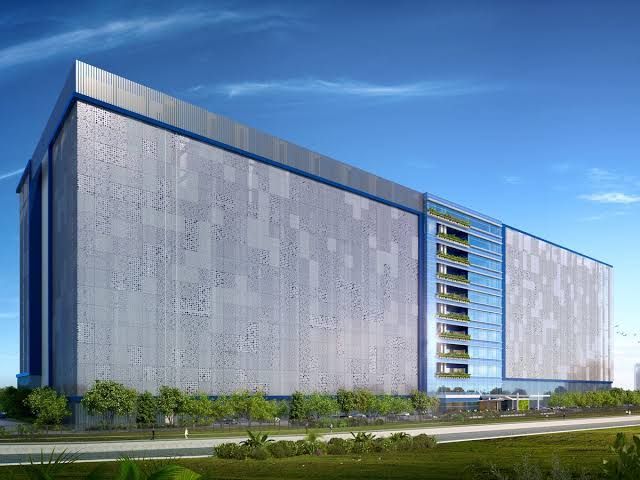
Data Centers in Singapore: Infrastructure, Benefits and Leading Providers
Data centers in Singapore play an important role in supporting the country's digital economy.
As businesses increasingly rely on cloud computing, artificial intelligence, online services, and digital transactions, the need for secure and reliable data storage and processing infrastructure continues to grow.
Singapore has established itself as a strategic location for data center operations in Asia. Its connectivity, business environment, technology infrastructure, and access to regional markets make it an attractive option for companies seeking dependable digital infrastructure.
From multinational corporations and financial institutions to technology startups and cloud service providers, organizations use data centers to store information, operate applications, protect business systems, and deliver digital services to customers.
What Are Data Centers?
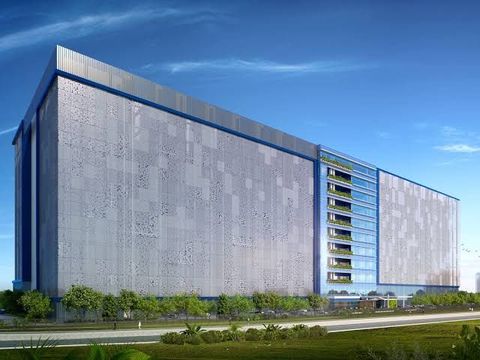
A data center is a specialized facility that houses servers, networking equipment, storage systems, and supporting infrastructure. These facilities process, store, and distribute digital information for businesses, government organizations, and technology providers.
Data centers typically include power distribution systems, backup electricity supplies, cooling equipment, fire protection, physical security, and network connections. These systems help maintain reliable operations and protect critical business information.
Depending on their requirements, organizations may operate their own facilities, rent space in a shared data center, or use cloud computing services supported by data center infrastructure.
Why Singapore Is a Major Data Center Hub
Singapore offers several advantages for companies establishing digital infrastructure in Asia.
Strategic Location in Southeast Asia
Singapore provides access to major markets across Southeast Asia and the wider Asia-Pacific region. Businesses can use its infrastructure to support regional operations, serve customers, and connect with international technology partners.
Its location is particularly useful for organizations that need reliable connectivity between regional offices, cloud platforms, financial networks, and customer-facing applications.
Strong Connectivity Infrastructure
Reliable network connectivity is essential for modern data center operations. Singapore benefits from international telecommunications infrastructure, submarine cable connections, and access to numerous network providers.
This connectivity supports cloud applications, enterprise systems, digital payments, streaming services, and other applications that depend on rapid data transmission.
Stable Business Environment
Singapore's established commercial environment and developed technology ecosystem attract international businesses. Organizations can access professional services, technology partners, skilled workers, and enterprise infrastructure providers.
These factors make the country a potential location for companies seeking to establish or expand their digital operations in Asia.
Support for Digital Transformation
Businesses across finance, healthcare, logistics, retail, manufacturing, and technology increasingly depend on digital systems. Data centers provide the infrastructure needed to support these activities.
Singapore's digital economy creates demand for reliable computing resources, cloud connectivity, secure data storage, and infrastructure capable of supporting emerging technologies.
Leading Data Center Providers in Singapore
Several international and regional operators provide data center services in Singapore. Their facilities and service offerings vary according to capacity, connectivity, security requirements, and customer needs.
ST Telemedia Global Data Centres
ST Telemedia Global Data Centres is a major data center operator with a presence in Singapore and other markets. Its services support enterprises, cloud providers, and technology organizations requiring secure colocation and digital infrastructure.
Businesses evaluating its facilities should review available capacity, power density, connectivity options, and operational requirements.
Digital Realty
Digital Realty provides data center and colocation services for organizations requiring enterprise infrastructure and network connectivity. Its broader international footprint can be useful for businesses operating across multiple regions.
Customers should assess individual facility specifications, available network services, and the provider's ability to support their deployment plans.
Equinix
Equinix operates interconnected data center facilities that support enterprise IT systems, cloud access, and network interconnection. These services can help organizations connect with cloud providers, telecommunications companies, and business partners.
For companies with international operations, interconnection options may be an important factor when selecting a data center provider.
Nxera
Nxera, part of the Singtel group, focuses on data center infrastructure and digital services in Singapore and the wider region. Its capabilities are relevant to enterprises and technology providers looking for regional infrastructure support.
Businesses should compare its service specifications and availability with their performance, power, and deployment requirements.
AirTrunk
AirTrunk specializes in large-scale hyperscale data center infrastructure designed to support cloud and technology workloads. Hyperscale facilities can serve organizations with substantial computing and storage requirements.
Companies evaluating hyperscale capacity should consider expansion potential, energy availability, cooling systems, and the time required to secure suitable capacity.
The best provider depends on the organization's workload, budget, required location, connectivity needs, security obligations, and expected growth.
Types of Data Center Services in Singapore
Data center operators offer several service models to meet different business requirements.
Colocation Services
Colocation allows businesses to place their servers and networking equipment inside a professionally managed facility. The provider generally supplies power, cooling, physical security, and building infrastructure.
This option is suitable for organizations that want control over their hardware without building and maintaining an entire data center.
Cloud Infrastructure
Cloud infrastructure provides computing, storage, networking, and other resources through cloud service providers. Businesses can scale their resources according to changing demand instead of purchasing all their hardware upfront.
Cloud services can support application development, business software, analytics, backup systems, and digital customer services.
Dedicated Server Hosting
Dedicated server hosting gives a customer access to a physical server reserved for its use. This model can be appropriate for applications requiring predictable resources, specialized configurations, or greater control over the underlying hardware.
Organizations should compare hardware specifications, support arrangements, backup options, and service-level commitments before choosing a provider.
Disaster Recovery and Backup
Data centers can support business continuity by hosting backup systems and disaster recovery environments. These arrangements help organizations restore services following equipment failures, cyber incidents, or other disruptions.
Effective disaster recovery planning includes regular backups, tested recovery procedures, and appropriate separation between primary and secondary systems.
Benefits of Using Data Centers in Singapore
Reliable Business Operations
Professional data center facilities are designed to support continuous operation through redundant power systems, environmental monitoring, cooling infrastructure, and operational procedures.
The actual level of reliability depends on the facility's design, maintenance practices, and service commitments. Businesses should review these factors rather than assuming every facility offers the same level of resilience.
Enhanced Security
Data centers commonly use access controls, surveillance, visitor management, and monitoring systems to protect physical infrastructure.
Additional cybersecurity measures may include network segmentation, encryption, identity management, threat detection, and secure remote access. Customers remain responsible for configuring and managing many security controls within their own systems.
Scalability
Organizations can expand their infrastructure as business requirements change. Depending on availability, they may add servers, increase power capacity, obtain additional cabinet space, or adopt cloud services.
Planning ahead is important because high-demand facilities may have limited capacity for new deployments.
Regional Connectivity
Singapore's network ecosystem can help businesses connect with customers, cloud services, partners, and offices across Asia-Pacific.
For latency-sensitive applications, organizations should test actual network performance and evaluate routing options rather than relying solely on geographic proximity.
Sustainability and Energy Efficiency
Sustainability is an important consideration for data centers in Singapore because these facilities consume substantial amounts of electricity and require effective cooling systems.
Operators are increasingly examining energy-efficient equipment, optimized cooling, improved facility design, and lower-carbon electricity options.
Energy efficiency can be assessed using Power Usage Effectiveness, commonly known as PUE. This metric compares total data center energy consumption with the energy consumed by IT equipment. A lower PUE generally indicates less overhead energy use, although it does not measure every aspect of environmental performance.
Singapore has also strengthened its focus on sustainable digital infrastructure. In September 2026, the government introduced the Digital Infrastructure Bill in Parliament, proposing regulatory frameworks covering data center operations and major digital infrastructure services. Businesses should check the legislation's commencement status and applicable requirements when planning new projects.
Challenges Facing the Singapore Data Center Market
Despite its advantages, Singapore presents several challenges for data center operators and customers.
Limited land availability: Singapore has finite land resources, making it difficult to expand infrastructure without careful planning.
Energy requirements: Data centers need substantial and reliable electricity supplies. Power availability can influence development decisions, operational costs, and expansion plans.
Cooling and water management: High-density computing equipment generates heat, requiring efficient cooling systems and responsible resource management.
Capacity constraints: Businesses may need to plan well in advance to secure suitable space and power, particularly for large deployments or high-density computing workloads.
Operating costs: Property, electricity, equipment, staffing, and compliance expenses can affect the total cost of operating data center infrastructure.
These considerations make careful planning and provider evaluation essential for organizations considering Singapore as their infrastructure location.
How to Choose a Data Center Provider in Singapore
Selecting a suitable provider requires more than comparing prices. Businesses should evaluate several important factors.
First, identify the required power capacity, rack density, storage needs, and expected growth. This helps determine whether a colocation facility, dedicated environment, or cloud-based solution is appropriate.
Second, assess network connectivity, carrier availability, latency, and access to relevant cloud platforms. Organizations with regional customers should test performance from their actual operating locations.
Third, review physical security, cybersecurity responsibilities, certifications, disaster recovery arrangements, and service-level agreements. Confirm that any claimed certifications apply to the specific facility and services being considered.
Finally, compare the total cost of ownership, including power charges, installation fees, connectivity, cross-connects, remote support, and future expansion. A detailed comparison can help businesses avoid unexpected expenses.
Conclusion
Data centers in Singapore are an important part of the region's digital infrastructure. Strong connectivity, an established business environment, and access to regional markets make the country a valuable location for enterprise computing, colocation, cloud infrastructure, and other digital services.
Leading operators offer different solutions for businesses ranging from small enterprises to large technology organizations. However, power availability, operating costs, sustainability, and capacity planning remain important considerations.