Plasma Spray Systems: Insights You Need Before Choosing Equipment
Plasma spray technology is a thermal coating process used to place protective or functional materials onto the surface of another material.
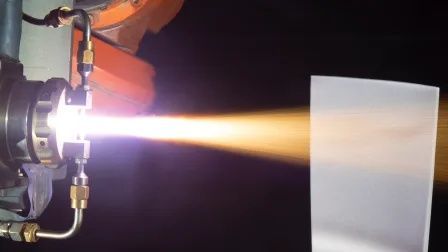
An industrial plasma spray system uses a high-temperature plasma jet to melt or soften coating particles and propel them toward a prepared surface, where they form a layered coating.
The technology developed from broader thermal spraying methods used to improve the surface characteristics of metals and other materials. Today, plasma spray equipment is used in industries where components need resistance to heat, wear, oxidation, corrosion, or electrical effects.
A plasma spray coating system normally includes a plasma torch, power supply, gas delivery equipment, powder feeder, cooling arrangement, control system, and supporting safety equipment. More advanced installations may combine these components with robotic movement, automated monitoring, controlled atmospheres, or specialized chambers.
How the process works
During plasma spraying, a plasma-forming gas passes through an electrically energized torch. The electrical energy creates a plasma stream with very high thermal energy. Powdered coating material is introduced into this stream and heated before being accelerated toward the component.
When the heated particles strike the prepared surface, they flatten and solidify into thin layers. Repeated passes gradually create the required coating thickness.
The process can use materials such as:
- Ceramic powders
- Metallic alloys
- Carbides
- Oxides
- Composite coating materials
A plasma spray machine can therefore be configured for different coating purposes rather than being limited to one material or application.
Main plasma spray system configurations
The operating environment has a major influence on coating characteristics. Atmospheric plasma spraying takes place in normal surrounding air, while vacuum and low-pressure systems operate inside controlled chambers.
| System type | Typical environment | Common application areas |
|---|---|---|
| Atmospheric plasma spray system | Open atmosphere | Industrial components, ceramics, wear protection |
| Vacuum plasma spray system | Reduced-pressure chamber | Aerospace and sensitive alloy coatings |
| Low pressure plasma spray system | Controlled low-pressure environment | Dense and controlled surface coatings |
| Robotic plasma spray system | Automated movement | Repeatable production coating |
| Automated plasma spray system | Programmed process control | High-volume or precision applications |
The appropriate configuration depends on the coating material, component geometry, required surface properties, production volume, and atmospheric conditions.
Why Plasma Spray Equipment Matters
Surface damage can affect the operating life and performance of machinery. A component may experience high temperature, friction, particle erosion, oxidation, or chemical exposure even when its underlying material remains structurally suitable.
Plasma coating technology addresses these surface-related challenges by placing a functional layer over the base material. This allows the surface to have different characteristics from the underlying component.
An industrial plasma coating system can therefore be relevant to equipment used in power generation, aviation, manufacturing, electronics, medical technology, automotive production, and other industries.
Applications across industries
Aerospace is one significant application area because turbine and engine components can experience severe thermal and mechanical conditions. Aerospace plasma spray equipment can be configured for specialized coatings on selected engine and aircraft components.
A plasma spray thermal barrier coating system is commonly associated with components that need insulation from high-temperature environments. Thermal barrier coatings can help reduce heat transfer to the underlying material when properly designed and applied.
Other applications include:
- Plasma spray turbine coating systems for selected turbine components
- Plasma spray ceramic coating equipment for insulating or wear-resistant layers
- Plasma spray wear resistant coating systems for surfaces exposed to friction
- Plasma spray corrosion resistant coating systems for appropriate environmental conditions
- Plasma spray equipment for semiconductor-related manufacturing applications
- Specialized coatings for industrial tooling and machinery
Factors that affect equipment selection
Selecting equipment involves more than examining the plasma torch itself. The entire process needs to be considered because powder feeding, gas control, movement, cooling, and monitoring can affect coating consistency.
Important factors include:
- Coating material and particle characteristics
- Required coating thickness
- Component size and geometry
- Operating temperature
- Desired coating density and porosity
- Production volume
- Manual or automated operation
- Required process monitoring
- Available floor space
- Gas and electrical requirements
- Ventilation and workplace controls
A plasma spray coating machine manufacturer may configure equipment differently depending on these requirements. The same basic plasma process can therefore appear in relatively compact laboratory equipment or larger industrial production systems.
Recent Developments in Plasma Spray Technology
From 2024 through 2026, development in plasma spraying has generally focused on automation, process monitoring, repeatability, digital controls, and improved integration with production systems.
One noticeable trend is the expansion of robotic plasma spray systems. Robots can move a coating torch along programmed paths, helping maintain repeatable distances, angles, and movement patterns across repeated production cycles.
Greater process monitoring
Modern plasma thermal spray equipment increasingly incorporates sensors and digital controls to monitor process conditions. Parameters such as plasma power, gas flow, powder feed rate, torch movement, and cooling conditions can be monitored during operation.
These systems can help operators identify process changes that could affect coating quality. Data collection also makes it easier to compare production runs and document process conditions.
Increased automation
Plasma spray coating automation is becoming more closely connected with robotic cells, programmable controllers, measurement systems, and production software. Automated systems can coordinate component positioning, torch movement, powder feeding, and process sequences.
This trend is particularly relevant where components have complex shapes or where repeated coating patterns are required.
More specialized coating systems
Equipment development is also moving toward application-specific systems. Examples include plasma spray systems designed around aerospace components, turbine applications, ceramic coatings, semiconductor manufacturing environments, and controlled-atmosphere processing.
Vacuum plasma spray systems and low pressure plasma spray systems remain relevant when atmospheric exposure could affect the coating process or when greater control over the spraying environment is needed.
Laws and Policies Affecting Plasma Spray Operations
Regulatory requirements depend on the country, industry, facility, and materials being processed. In India, plasma spraying facilities can fall under general workplace safety, environmental protection, electrical safety, fire protection, and industrial pollution-control requirements.
The Environment (Protection) Act and related rules provide a broader framework for environmental management. Facilities may also need to consider requirements administered by state pollution control authorities, particularly where industrial emissions, dust, exhaust gases, or other regulated environmental impacts are involved.
Workplace safety considerations
Plasma spraying combines high electrical energy, high temperatures, compressed gases, heated particles, and potentially hazardous airborne material. A facility therefore needs suitable engineering controls and operating procedures.
Relevant safety planning can include:
- Appropriate ventilation and exhaust arrangements
- Protection from high-temperature plasma equipment
- Electrical isolation and grounding provisions
- Compressed-gas handling procedures
- Powder handling controls
- Suitable personal protective equipment
- Fire prevention measures
- Equipment inspection and maintenance procedures
For regulated industrial facilities, additional requirements may apply depending on the workplace, coating materials, emissions, and local authority requirements. The Occupational Safety, Health and Working Conditions Code framework is also relevant to India's broader workplace safety environment, subject to its implementation and applicable rules.
These requirements should be reviewed with the relevant authorities or qualified professionals before establishing or modifying an industrial coating operation.
Tools and Resources for Understanding Plasma Spray Systems
Several types of technical resources can help readers understand equipment specifications and process requirements without relying solely on manufacturer literature.
Equipment documentation
Technical datasheets can provide information about electrical requirements, plasma gases, powder feed systems, torch configuration, chamber dimensions, cooling requirements, and control interfaces. Comparing these specifications helps establish whether a system matches the intended production environment.
Coating standards
International standards and industry specifications can help define coating characteristics, testing methods, surface preparation, thickness measurement, adhesion testing, and related quality parameters. Aerospace and specialized industrial applications may also use sector-specific specifications.
Process monitoring tools
Modern installations can incorporate temperature measurement, optical monitoring, pressure measurement, gas-flow monitoring, and coating-thickness measurement. These tools help operators understand how process conditions relate to coating results.
Technical calculators and planning worksheets
Process planning may involve calculations related to coating thickness, deposition rate, component dimensions, gas consumption, electrical requirements, and production cycle time. Spreadsheet-based planning templates can help organize these variables before equipment configuration is finalized.
Frequently Asked Questions
What is an industrial plasma spray system?
An industrial plasma spray system is equipment that uses a plasma jet to heat coating material and project it onto a prepared component surface. It can be configured for ceramic, metallic, carbide, and other coating materials.
What is the difference between atmospheric plasma spray equipment and vacuum plasma spray systems?
Atmospheric plasma spray equipment operates in normal surrounding conditions, while a vacuum plasma spray system works inside a controlled low-pressure chamber. The controlled environment can be useful for applications where atmospheric exposure affects coating formation.
Where is aerospace plasma spray equipment used?
Aerospace plasma spray equipment is used for selected aircraft and engine components that require specialized surface characteristics. Applications can include thermal protection, wear resistance, and other engineered coating functions.
What does an automated plasma spray system do?
An automated plasma spray system uses programmed controls, robotic movement, or other automated functions to manage parts of the coating process. Automation can improve repeatability when consistent torch movement and process sequences are required.
What is a plasma spray thermal barrier coating system?
A plasma spray thermal barrier coating system applies heat-resistant coating materials to selected components exposed to elevated temperatures. The coating acts as a thermal barrier between the surrounding environment and the underlying component.
Conclusion
Plasma spray systems use high-energy plasma to apply functional coatings to prepared surfaces. Different configurations, including atmospheric, vacuum, low-pressure, robotic, and automated systems, address different process requirements. Recent development has emphasized automation, digital monitoring, process control, and specialized applications such as aerospace and turbine coatings. Equipment selection depends on coating materials, component geometry, operating conditions, production requirements, and applicable safety and environmental rules.