Food Filling Systems: Complete 2026 Guide
Food filling systems are essential components of modern food packaging operations, helping manufacturers transfer measured quantities of products into containers with consistent accuracy and speed.
Food filling systems can handle liquids, powders, pastes, sauces, particulates, and other food products using different filling technologies.
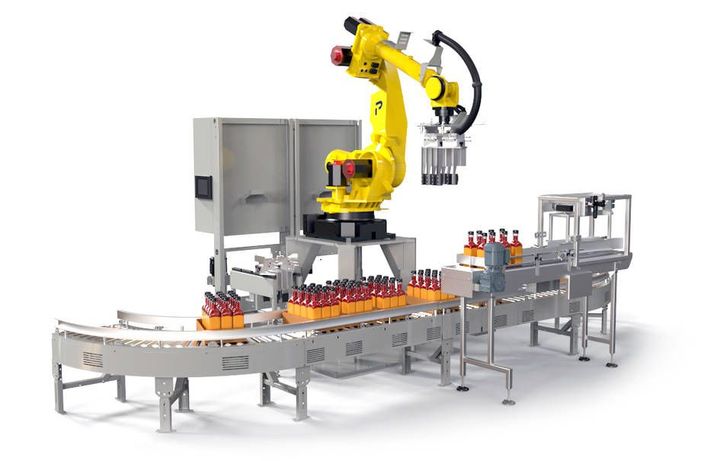
In 2026, filling equipment ranges from standalone machines to highly automated production lines integrated with conveyors, container handling, sealing, inspection, and control systems. Selecting the appropriate system depends on product characteristics, container design, production requirements, and required filling accuracy.
Why Food Filling Systems Matter
Consistent filling is important for maintaining product uniformity and efficient packaging operations. Manual filling can become difficult to control at higher production volumes, particularly when products have varying viscosities, particles, or flow characteristics.
Modern systems can provide:
- Consistent product dosing
- Controlled fill volumes
- Faster production cycles
- Reduced product handling
- Automated container positioning
- Integration with downstream packaging equipment
- Improved production monitoring
- Better process repeatability
The correct filling technology depends on the physical properties of the food product rather than simply the desired production speed.
Types of Food Filling Systems
Different products require different filling mechanisms. Some systems are designed for free-flowing liquids, while others are engineered for thick or particulate products.
Liquid Filling Systems
Liquid fillers are commonly used for products such as beverages, sauces, oils, dairy products, and liquid condiments.
Depending on the application, equipment may use volumetric, flow-meter-based, gravity, pressure, or other filling methods. Product viscosity, foaming characteristics, temperature, and container size influence the appropriate configuration.
Piston Filling Systems
Piston fillers use controlled piston movement to measure and dispense a defined quantity of product.
They are particularly suitable for thicker products such as:
- Sauces
- Pastes
- Creams
- Dressings
- Purees
- Thick food preparations
Piston filling can provide controlled dosing for products that do not flow easily through conventional liquid filling equipment.
Volumetric Filling Systems
Volumetric fillers dispense a predetermined volume of product into each container.
These systems are useful when maintaining consistent volume is a key production requirement. Different volumetric mechanisms can be configured according to the product and container format.
Gravimetric Filling Systems
Gravimetric systems determine the quantity of product by measuring its weight during filling.
This approach can be useful when precise product mass is more important than a fixed volume. Product density variations can make weight-based filling advantageous for certain applications.
Auger Filling Systems
Auger fillers use a rotating screw mechanism to measure and dispense powdered or granular food products.
Typical applications include:
- Flour
- Spices
- Powdered ingredients
- Seasoning blends
- Dry food mixes
- Nutritional powders
Auger speed and configuration can be adjusted according to the characteristics of the powder.
Multihead Weighing Systems
Multihead weighers divide products into multiple portions and combine selected quantities to reach a target weight.
They are commonly used for products containing individual pieces or particles, including snacks, frozen foods, confectionery, vegetables, and other solid food products.
How Food Filling Systems Work
Although filling technologies differ, most automated systems follow a sequence of controlled operations.
1. Container Feeding
Empty containers enter the filling line through conveyors or automated handling equipment.
Containers are positioned and spaced according to the requirements of the filling station.
2. Product Preparation
The food product is prepared before filling. Depending on the application, preparation may include mixing, heating, cooling, filtering, homogenization, or maintaining a controlled temperature.
Consistent product conditions help maintain repeatable filling performance.
3. Product Dosing
The filling mechanism measures the required quantity of product.
The method may be based on volume, weight, piston displacement, flow measurement, screw rotation, or another product-specific principle.
4. Container Filling
The measured product is transferred into the container through filling nozzles, valves, augers, or other dispensing mechanisms.
Nozzle design and filling speed are important for products that foam, drip, splash, or contain particles.
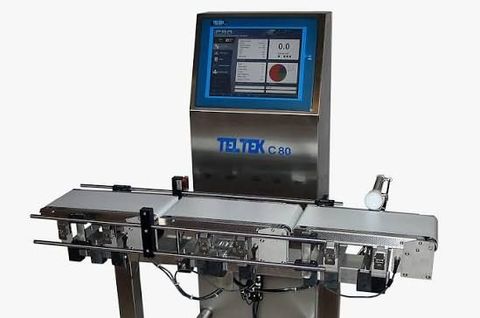
5. Fill-Level Verification
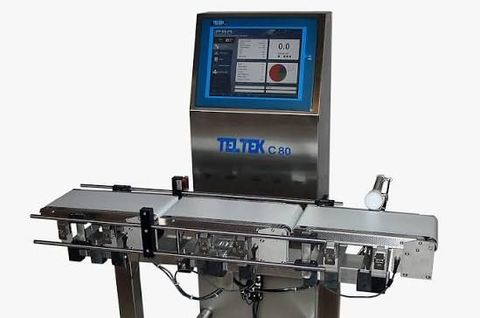
Some production lines include automated systems to check fill levels or weights.
Products outside predetermined specifications can be identified for further inspection or removal.
6. Container Transfer
Filled containers move toward the next stage, which may include capping, sealing, lidding, labeling, coding, or secondary packaging.
Conveyor speed and container spacing must be synchronized with the filling system.
Food Filling Systems Comparison
| Filling System | Typical Products | Main Principle |
|---|---|---|
| Liquid filler | Beverages, oils, sauces | Controlled liquid flow |
| Piston filler | Pastes, creams, thick sauces | Piston displacement |
| Volumetric filler | Liquids and semi-liquids | Measured volume |
| Gravimetric filler | Various food products | Weight measurement |
| Auger filler | Powders and dry mixes | Screw-based dosing |
| Multihead weigher | Snacks, particles, frozen foods | Combined weight portions |
Factors to Consider When Selecting a Food Filling System
Choosing filling equipment requires evaluating the entire production process.
Product Characteristics
Consider:
- Viscosity
- Density
- Particle size
- Flow behavior
- Temperature
- Foaming tendency
- Stickiness
- Sensitivity to shear
A thin beverage and a thick sauce may require completely different filling mechanisms.
Container Format
The container's material, dimensions, opening size, shape, and volume can influence filling equipment selection.
Common formats include bottles, jars, cans, cups, pouches, trays, and other food packaging containers.
Production Capacity
Production requirements determine the number of filling heads, machine configuration, conveyor speed, and automation level.
High-throughput operations may use multi-head or fully integrated filling systems, while smaller production environments may use simpler configurations.
Filling Accuracy
The required tolerance should be established before selecting the filling technology.
Weight-based systems may be appropriate when product mass is critical, while volumetric technologies may be suitable when a consistent volume is the primary requirement.
Cleaning and Sanitation
Food-contact equipment must support appropriate cleaning and sanitation procedures. Equipment design may include accessible product-contact components, hygienic piping, suitable seals, and automated cleaning capabilities where applicable.
Applications of Food Filling Systems
Food filling systems are used across numerous processing and packaging categories.
| Food Category | Common Filling Applications |
|---|---|
| Beverages | Water, juices, sauces, liquid foods |
| Dairy | Milk, yogurt, cream-based products |
| Sauces | Ketchup, mayonnaise, dressings |
| Processed foods | Soups, purees, prepared meals |
| Confectionery | Creams, syrups, fillings |
| Dry foods | Spices, powders, mixes |
| Snacks | Granules, pieces, portioned products |
| Frozen foods | Vegetables, fruits, prepared foods |
Automation and 2026 Technology Trends
Modern food filling systems increasingly integrate sensors, programmable controls, automated container handling, and production monitoring.
Depending on the equipment configuration, automation can help coordinate filling parameters, detect container presence, monitor production conditions, and communicate with other packaging machines.
Digital monitoring can also provide production data that helps operators identify process variations and maintenance requirements.
However, automation should be selected according to actual production needs. A highly complex system is not necessarily appropriate for every food processing operation.
Best Practices for Food Filling Systems
Maintaining consistent performance requires attention to both equipment and product conditions.
Key practices include:
- Keep product temperature within the required operating range.
- Monitor filling accuracy regularly.
- Inspect nozzles, valves, seals, and product-contact components.
- Maintain appropriate cleaning procedures.
- Calibrate measurement systems according to established procedures.
- Monitor container positioning and conveyor synchronization.
- Record important production parameters.
- Inspect equipment for wear and product buildup.
- Validate filling settings when changing product formats.
These practices can help maintain consistent filling performance and reduce interruptions.
Frequently Asked Questions
What are food filling systems?
Food filling systems are machines or integrated equipment used to measure and transfer food products into containers at controlled quantities and production speeds.
What types of food can filling systems handle?
Depending on the filling technology, systems can handle liquids, semi-liquids, pastes, powders, granules, particulates, sauces, beverages, dairy products, and prepared foods.
How does a food filling machine maintain accuracy?
Accuracy can be controlled using volumetric measurement, weight measurement, piston displacement, flow measurement, auger rotation, or other product-specific dosing methods.
What is the difference between volumetric and gravimetric filling?
Volumetric filling measures a predetermined volume, while gravimetric filling measures product weight. The appropriate method depends on product characteristics and production requirements.
How do I choose a food filling system?
Evaluate the product's viscosity, density, particle characteristics, temperature, container format, production volume, filling accuracy, sanitation requirements, and integration needs before selecting equipment.
Conclusion
Food filling systems provide controlled and repeatable product dosing for modern food packaging operations. From liquid fillers and piston systems to gravimetric equipment, auger fillers, and multihead weighers, different technologies address different product characteristics.
The right system should match the food product, container format, production capacity, filling accuracy, sanitation requirements, and overall packaging line. Careful equipment selection and consistent process control can support reliable filling performance across a wide range of food applications.